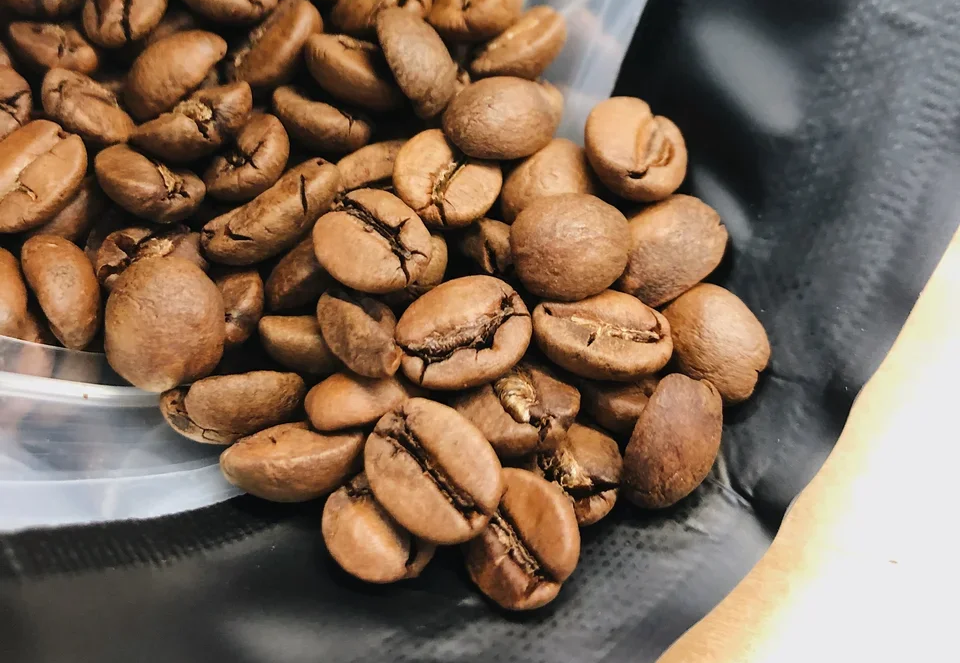


Bitterness in coffee is not inherently a flaw. At the right level, it provides structure, counterbalances sweetness and acidity, and contributes to the sense of depth that characterizes a well-developed roast. But bitterness that overwhelms — that flattens the nuance of a carefully selected origin, that obscures the floral delicacy of an Ethiopian natural or the bright citric precision of a Kenyan AA — is a failure of the roasting process. It is what happens when heat is applied too aggressively, when combustion byproducts infiltrate the roasting environment, or when the critical window of flavor development is misjudged by even a few seconds.
Infrared roasting technology addresses several of the root causes of excessive bitterness simultaneously, and in doing so, it opens a path toward what specialty roasters have always sought: a cup that tastes purely of its origin, unmediated by the artifacts of imprecise thermal processing.
How Infrared Heat Works
Conventional drum roasting delivers heat primarily through conduction — the physical contact between bean and hot metal surface — and convection, the movement of hot air through the drum. Both methods are effective, but both introduce variability. Hot spots on the drum surface can scorch bean surfaces unevenly. Fluctuations in airflow affect heat distribution across the bean mass. And in gas-fired systems, the products of combustion — carbon monoxide, nitrogen oxides, and trace organic compounds — share the roasting environment with the beans, potentially interacting with the developing flavor chemistry.
Infrared roasting operates differently. Infrared energy is electromagnetic radiation that penetrates the bean surface and excites molecules directly, generating heat from within rather than applying it from without. This produces a more even heat distribution across the bean’s interior, reducing the likelihood of surface scorching while ensuring that the core reaches development temperature at the appropriate rate. The result is a more uniform roast — and a more faithful expression of what the green coffee was capable of becoming.
The Bitterness Connection
Excessive bitterness in roasted coffee is primarily associated with two compound families: chlorogenic acid lactones, which form during roasting from the breakdown of chlorogenic acids naturally present in green coffee, and phenylindanes, which develop at higher roast temperatures and are among the most intensely bitter substances found in the cup. Both compound families are produced in greater quantities when beans are exposed to uneven or excessive heat — precisely the conditions that infrared technology is designed to minimize.
By delivering heat more evenly and with greater precision, infrared roasting allows the roaster to navigate the development phase with a level of control that is difficult to achieve in conventional systems. The beans can be brought to the desired development point — where sweetness, acidity, and body are in optimal balance — without the overshoot that drives bitter compound formation. The result is a cup that retains the structural contribution of appropriate bitterness while avoiding the harsh, astringent quality that obscures origin character.
What Origin Expression Means
In the specialty coffee world, origin expression is the highest compliment a roast can receive. It means that the roasting process has served the green coffee rather than dominated it — that the unique terroir characteristics of the farm, the processing method, and the variety have been allowed to speak clearly in the cup without being overwritten by roast flavor.
Infrared technology supports origin expression in multiple ways. The reduction in bitter compounds means that more delicate flavor notes — the jasmine and bergamot of a high-altitude Ethiopian, the red currant and tomato of a Rwandan natural — are not drowned out by roast-derived harshness. The even heat distribution means that the full range of volatile aromatic compounds has the opportunity to develop and survive into the finished roast, rather than being driven off by surface scorching or uneven development.
Practical Outcomes at Snob’s Coffee
At Snob’s Coffee, the adoption of infrared roasting technology within its solar-powered system has produced measurable improvements in cup clarity across multiple origins. Roasters report that the technology reduces the margin for error during development, creating a wider window within which the roast achieves its optimal expression. Quality control cuppings show higher scores for clean cup and flavor clarity compared to historical benchmarks from conventional roasting of the same green lots.
For a brand built on the promise that premium quality and sustainable practice are inseparable, infrared roasting is not a technical detail. It is a direct expression of the brand’s core commitment: to unlock the full potential of every bean, from every origin, with every roast.
Purity in the cup begins with precision in the process. Infrared technology makes that precision available in ways that conventional roasting, for all its virtues, cannot fully match.