
Premium pricing is a claim. It says, in the most direct commercial language available: this product is worth more than the alternatives, and we are confident enough in that assertion to ask you to pay for it. The claim can be justified or unjustified, explicit or implicit, supported by evidence or sustained only by branding and packaging. But it is always, ultimately, a claim — and claims, in a market populated by increasingly sophisticated consumers, eventually face scrutiny.
For Snob’s Coffee, the premium price reflects a multi-layered value proposition that extends across sourcing, technology, environmental practice, and brand integrity. Articulating that proposition clearly — not defensively, not apologetically, but with the confidence that genuine quality earns — is one of the brand’s most important commercial responsibilities. What follows is that articulation.
Layer One: The Green Coffee
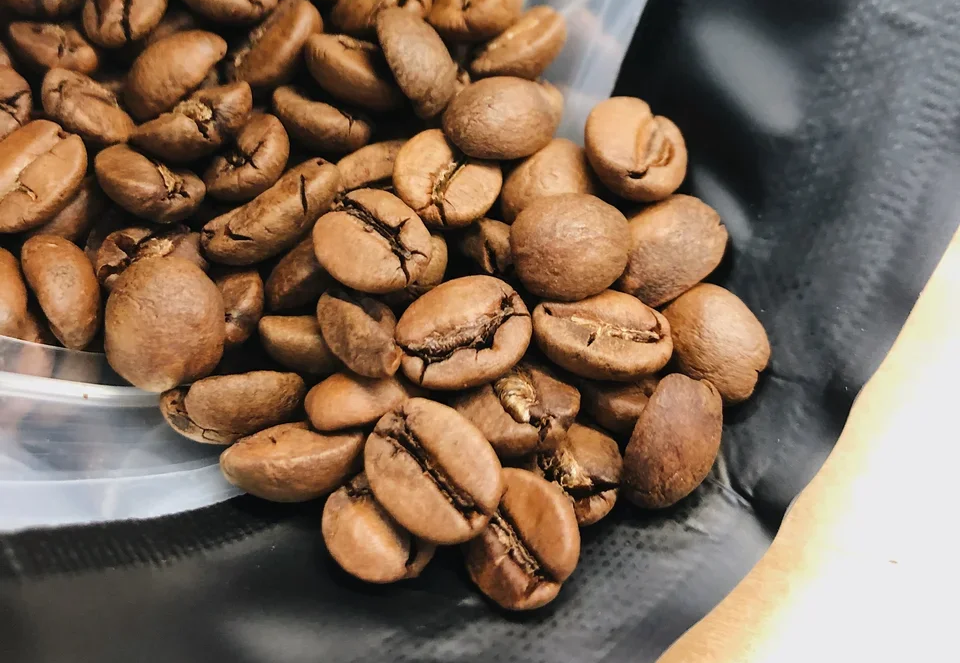
The foundation of Snob’s premium is the raw material. Specialty-grade coffee, sourced through direct trade relationships with carefully selected African producers, represents a fundamentally different starting point from the commodity green coffee that underlies most of the market. The price differential at the green coffee level is real — direct trade prices are consistently higher than commodity market prices, often significantly so — and it flows directly from the quality differential in the cup.
Customers paying a premium for Snob’s Coffee are, in the first instance, paying for access to green coffee that most roasteries either cannot source or choose not to because the cost does not fit their margin structure. The complex, nuanced, origin-specific character that distinguishes Snob’s single-origin offerings from mass-market alternatives begins here, at the farm, before roasting has even occurred.
Layer Two: The Roasting Technology
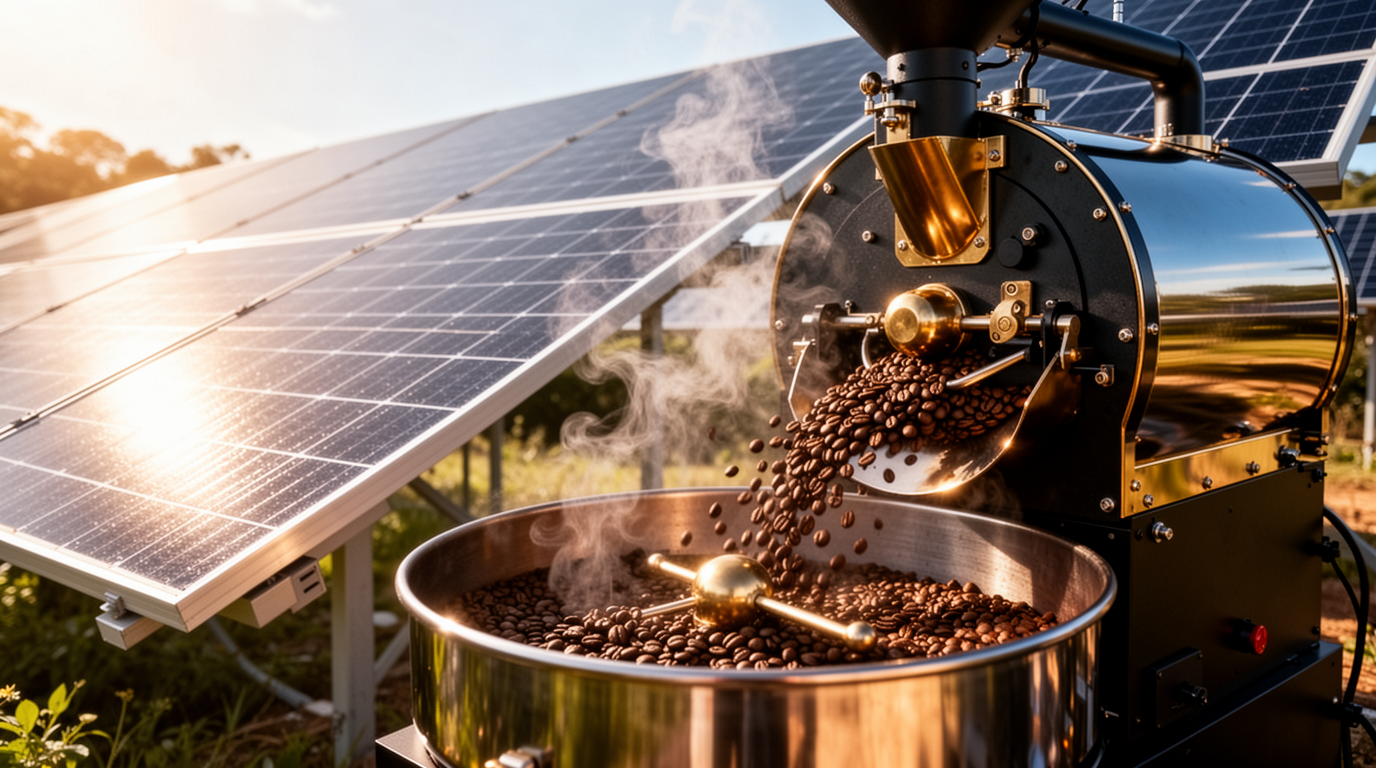
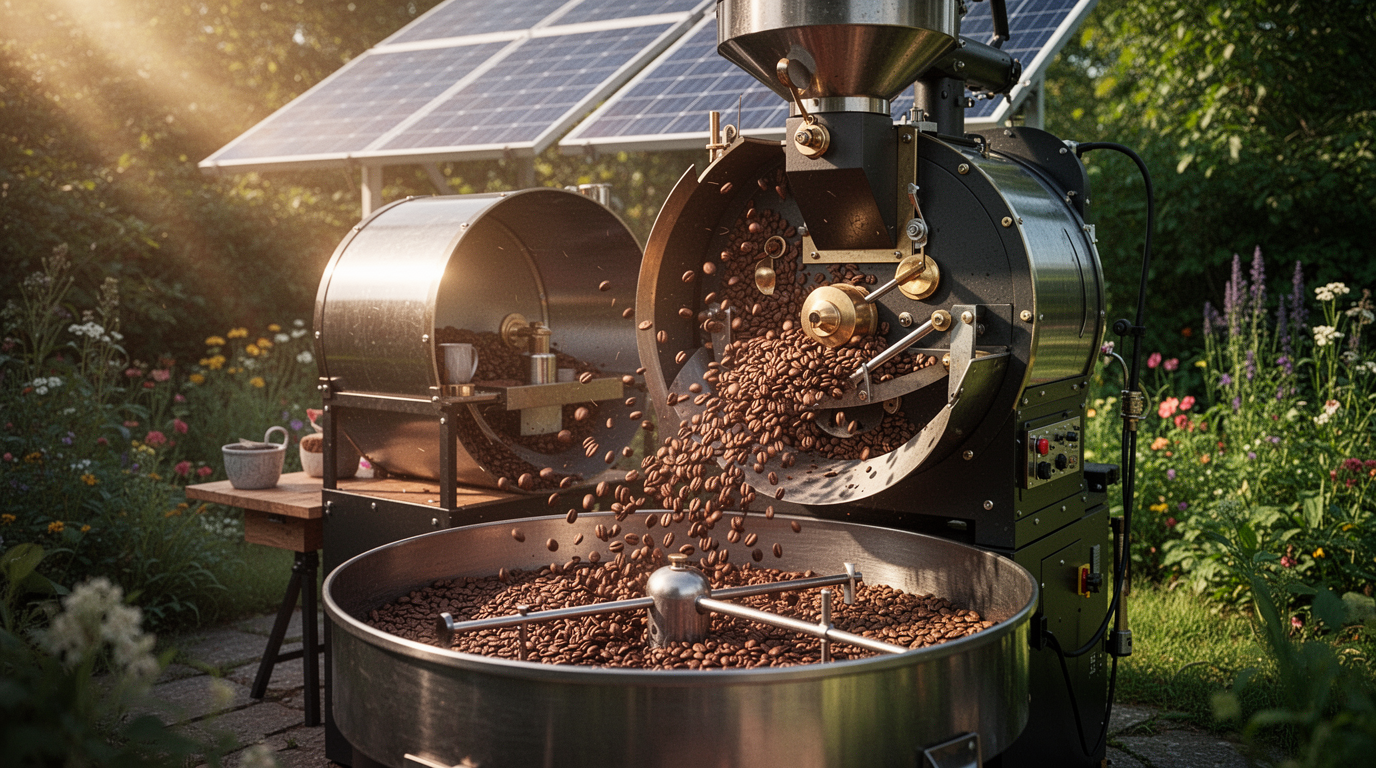
The second layer of the premium reflects the investment in solar roasting infrastructure and the quality outcomes it enables. A commercial solar installation capable of powering an industrial roastery reliably is a capital-intensive undertaking. The ongoing costs of maintenance, system monitoring, and technology upgrades are real. These costs are not hidden in the price — they are acknowledged as a deliberate investment in quality and sustainability that the customer participates in through their purchase.
But the technology premium is not justified only by its cost. It is justified by its output. Solar roasting produces a measurably cleaner, more aromatic, less bitter cup than conventional gas roasting of equivalent green coffee. The quality improvement is real, documented through professional cupping and customer feedback, and directly attributable to the characteristics of the roasting technology. The customer is not paying for the solar panels. They are paying for the cup quality that the solar panels make possible.
Layer Three: Environmental Integrity
The third layer of the value proposition speaks to a growing segment of consumers for whom the environmental credentials of the products they purchase are a genuine decision factor rather than a tiebreaker. For these customers — and their numbers are increasing rapidly across all demographic groups — the knowledge that their coffee was roasted using renewable energy, sourced through relationships that support fair producer incomes, and packaged with environmental responsibility in mind has tangible value.
This value is not easily quantified in cup quality terms, but it is real and it is commercial. Research across consumer categories consistently shows that environmentally aligned products command price premiums that consumers are genuinely willing to pay, provided they trust that the environmental claims are substantiated rather than performative. Snob’s Coffee’s solar infrastructure, direct trade sourcing, and transparent communication about its practices provide that substantiation. The premium for environmental integrity is earned rather than assumed.
Layer Four: Consistency and Reliability
A dimension of premium that is frequently overlooked in favor of the more glamorous conversation about flavor and sustainability is consistency. A product that is exceptional sometimes but variable often is not premium — it is unreliable. The customer who pays a premium price is paying, in part, for the guarantee that the experience will be reproducible.
Snob’s Coffee’s investment in roasting technology and quality control infrastructure is fundamentally an investment in consistency. The profiling software, the batch documentation, the cupping protocols, the rejection of batches that do not meet the standard — all of these represent costs that are invisible to the customer but that underwrite the reliability of the product they receive. Premium pricing includes the cost of the batches that were not good enough. It is the price of a promise kept every time.
Communicating the Proposition
The value proposition is most effectively communicated not through a single comprehensive statement but through the accumulation of specific, credible details across every customer touchpoint. The sourcing story on the bag. The roast date and the tasting notes. The explanation of the solar infrastructure on the website. The transparency of the pricing philosophy in brand communications. Each detail is a contribution to the customer’s understanding of why this coffee costs what it costs — and each detail, if it is honest and specific, builds the trust that makes the premium sustainable.
A justified premium, communicated with integrity, does not need to be defended. It needs to be demonstrated, consistently and specifically, through every interaction between the brand and the customer it has promised to serve.