
The word “premium” is in crisis. Overused, under-defined, and applied with equal confidence to artisanal chocolate and supermarket private-label instant coffee, it has become one of the least informative words in the consumer products lexicon. When everything is premium, nothing is. And yet the concept it is meant to convey — that some products are genuinely, substantively superior to others in ways that justify a higher price — remains valid and important. The failure is not in the idea but in the language that has been stretched to cover too much territory.
In the context of technologically advanced coffee roasting, reclaiming a meaningful definition of “premium” is not merely a semantic exercise. It is a commercial and ethical imperative. If Snob’s Coffee charges a premium price, it owes its customers a clear account of what that premium represents — not in marketing language, but in substantive, verifiable terms. What follows is that account.
Premium Begins at Origin
A meaningful definition of premium in specialty coffee must begin before the roastery — at the farm, the washing station, the drying bed. Premium green coffee is not simply coffee that scores above 80 points on the SCA scale, though that is a necessary threshold. It is coffee that was grown with deliberate attention to variety selection, agronomic practice, and harvest timing. It is coffee whose post-harvest processing — whether washed, natural, or honey — was executed with the care and precision that separates a clean, complex cup from a defective or generic one.
Snob’s Coffee sources exclusively from producers who meet a set of criteria that go beyond the minimum specialty standard. Direct trade relationships, transparent pricing, regular quality audits, and an ongoing commitment to the improvement of farming and processing practices are the foundations of the sourcing philosophy. The premium paid by the consumer at the point of sale is, in part, a reflection of the premium paid to the producer at the point of purchase — and that connection is not incidental. It is structural.
Premium in the Roasting Process
Once exceptional green coffee is in the roastery, premium execution means applying technology and skill in service of the bean’s potential rather than in service of operational convenience. This is where many roasteries — even those sourcing excellent green coffee — fail to deliver on the implicit promise of their raw material.
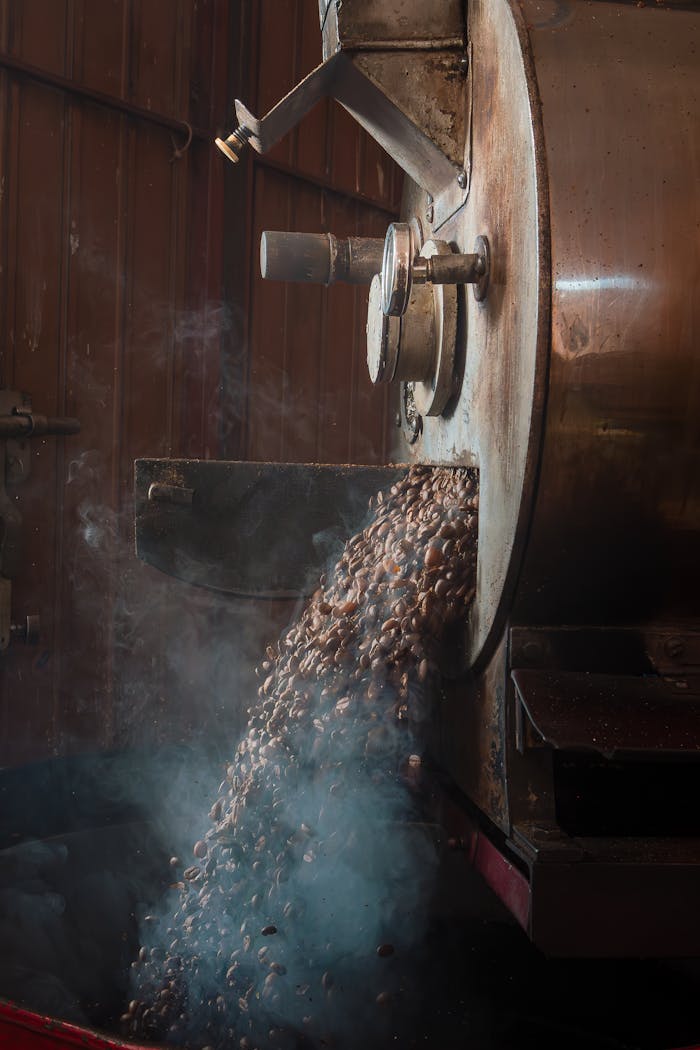
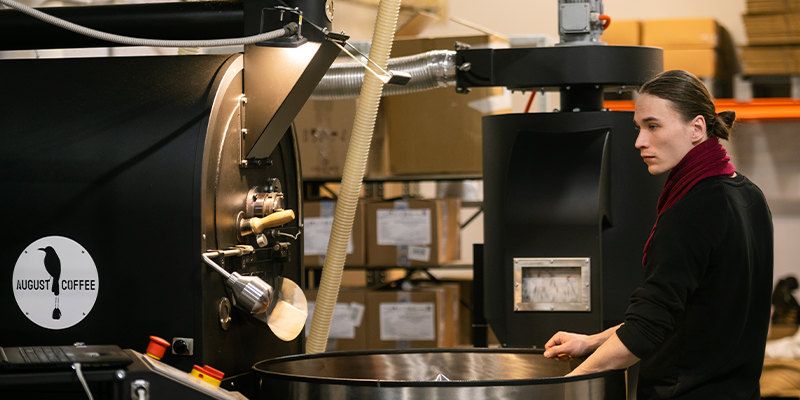
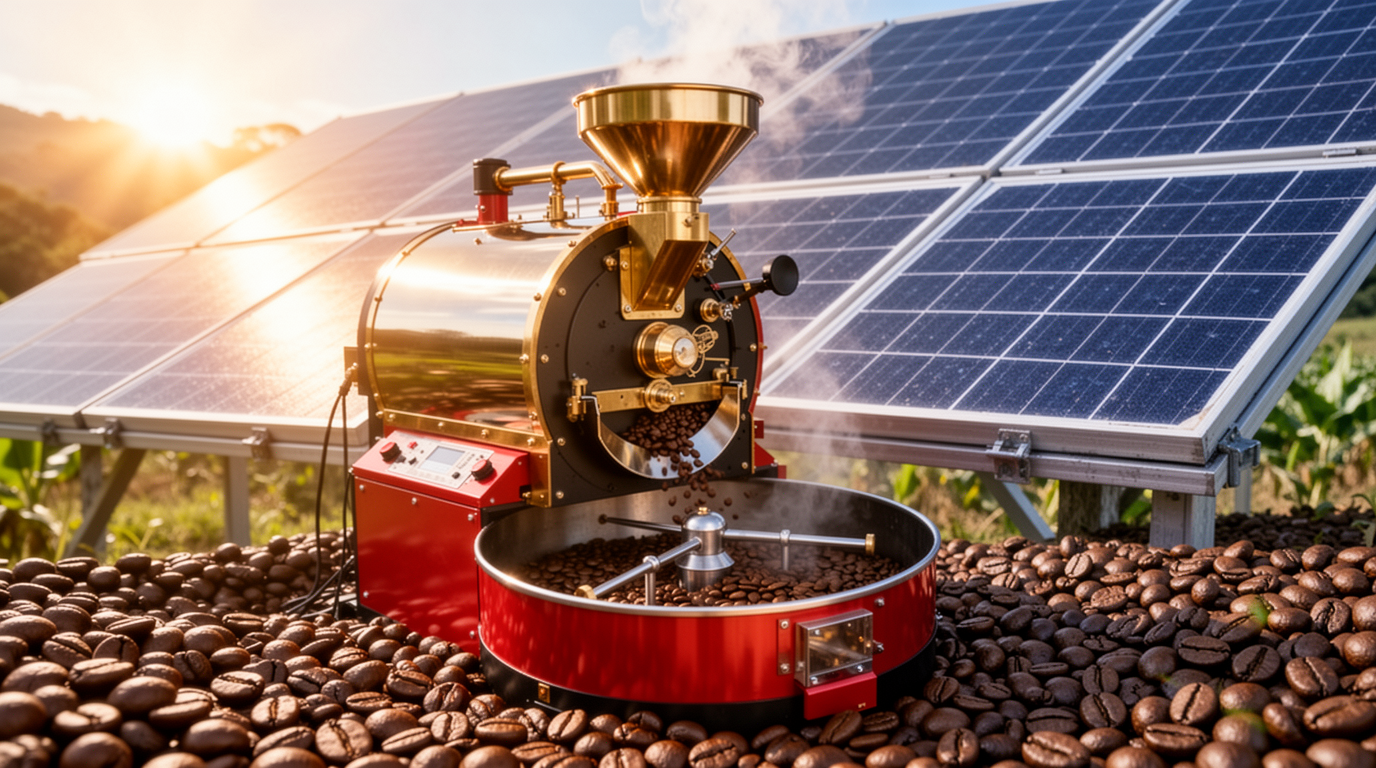
Technologically advanced roasting, as practiced at Snob’s Coffee, redefines what premium execution means at this stage. It means energy delivery that is stable, clean, and precisely controlled — conditions that solar roasting provides more consistently than conventional gas systems. It means real-time data monitoring that allows the roaster to identify and correct deviations from the intended profile before they affect the finished cup. It means roasting in a combustion-free environment that preserves the full aromatic complexity of the green coffee rather than allowing it to be partially obscured by combustion byproducts.
Premium roasting, in this context, is not about the size of the roaster, the age of the brand, or the provenance of the equipment. It is about the deliberate application of the best available technology in service of a clearly defined quality standard — and the willingness to measure the outcome rigorously rather than simply asserting that it has been achieved.
Premium in Consistency
One of the most underappreciated dimensions of premium quality is consistency. A coffee that is extraordinary one week and merely good the next is not, in any meaningful operational sense, a premium product. It is a variable one — and variability, however exciting its upper range, is ultimately a failure of craft.
The data infrastructure that solar roasting technology requires — the profiling software, the batch logging, the real-time monitoring — also enables the kind of systematic quality control that makes true consistency achievable. Every roast at Snob’s Coffee is documented, every deviation is recorded, and every batch is cupped before release. The premium price includes the invisible cost of the batches that did not meet the standard and were not released — a cost that is real but that the consumer never directly encounters.
Premium as an Honest Relationship
Ultimately, the most defensible definition of premium in the context of technologically advanced roasting is this: a product is premium when it delivers, consistently and verifiably, a sensory and experiential quality that justifies its price — and when the brand behind it is honest about how that quality is achieved.
Premium is not a price point. It is a promise. And a promise, to mean anything, must be kept — not occasionally, not on average, but every time a customer opens a bag, loads a portafilter, or pours hot water over carefully ground coffee and waits, with reasonable expectation, to be impressed.
That expectation is the standard. Technology is the means of meeting it. And the customer, every time they return, is the proof that the definition holds.