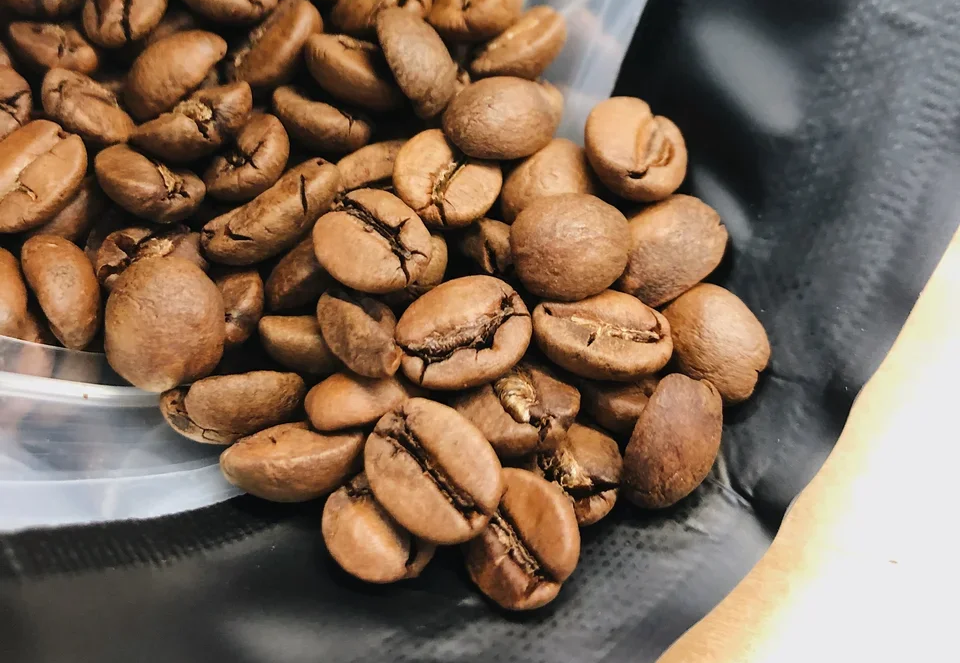

Coffee is one of the most chemically complex substances consumed by human beings. A single roasted bean contains over a thousand distinct volatile aromatic compounds — molecules that, in various combinations and concentrations, produce the extraordinary range of sensory experiences that specialty coffee professionals spend careers learning to describe and evaluate. Blueberry. Dark chocolate. Jasmine. Black tea. Dried apricot. Red currant. These are not metaphors or marketing constructs. They are the approximate human perceptions of specific chemical realities — organic molecules that interact with olfactory receptors to produce recognizable sensory impressions.
Understanding how solar roasting affects the formation, preservation, and balance of these volatile aromatic compounds is essential to understanding why the technology produces the cup characteristics it does — and why those characteristics matter to anyone who takes coffee seriously.
The Chemical Transformation of Roasting
Green coffee is chemically inert by comparison with its roasted counterpart. It contains sugars, amino acids, chlorogenic acids, lipids, proteins, and water — the raw materials of flavor, but not flavor itself. Roasting is the process by which these raw materials are transformed into the aromatic complexity that defines the finished cup.
The primary chemical reactions involved are the Maillard reaction and caramelization. The Maillard reaction — named for the French chemist Louis-Camille Maillard, who first described it in 1912 — occurs when amino acids and reducing sugars are exposed to heat, producing hundreds of distinct flavor and aroma compounds including furans, pyrazines, and aldehydes. These compounds contribute notes ranging from caramel and toast to nutty and roasted. Caramelization, occurring at higher temperatures, breaks down sucrose into a range of compounds that contribute sweetness, bitterness, and the complex brown flavors associated with darker roasts.
Simultaneously, chlorogenic acids — present in significant quantities in green coffee — degrade during roasting into simpler phenolic compounds. At moderate roast levels, this degradation produces desirable flavor complexity. At excessive temperatures or extended development times, it produces the harsh, astringent bitterness that obscures origin character.
What Solar Roasting Changes
The volatile aromatic compound profile of a roasted coffee is exquisitely sensitive to the conditions under which roasting occurs. Temperature stability, rate of heat application, the presence or absence of external chemical inputs, and the precision of development timing all influence which compounds form, in what quantities, and in what proportions.
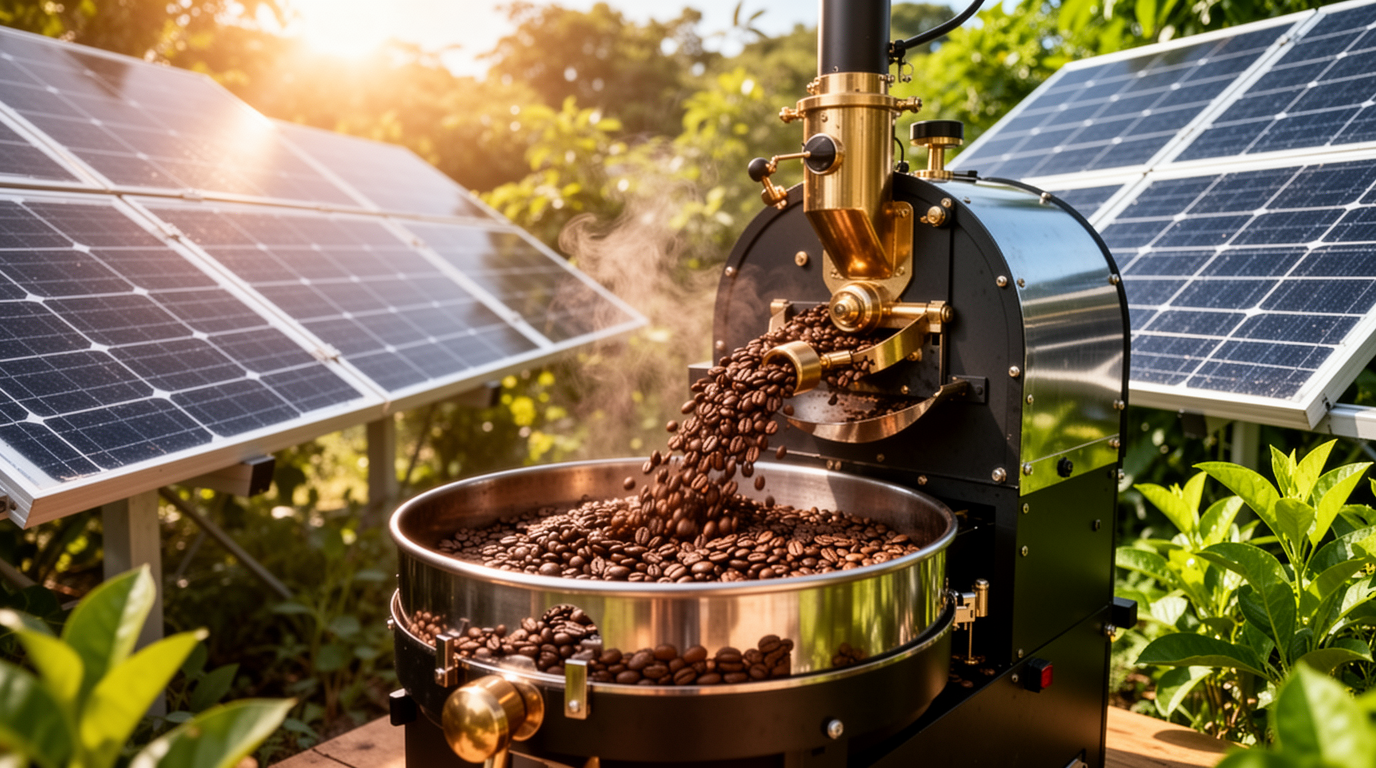
Solar roasting modifies these conditions in ways that have measurable consequences for the volatile compound profile. The most significant modification is the elimination of combustion byproducts from the roasting environment. Gas-fired roasters produce nitrogen oxides, carbon monoxide, and trace quantities of polycyclic aromatic hydrocarbons as byproducts of natural gas combustion. While these compounds are present at low levels and are not considered significant health risks at the concentrations encountered in roasting, they can interact with the developing flavor chemistry of the bean, potentially suppressing certain volatile formation pathways and introducing low-level off-notes that reduce cup clarity.
In a solar-powered roasting environment, where the energy source is electrical rather than combustive, the bean develops in a chemically neutral atmosphere. The Maillard and caramelization reactions proceed without competition from external compounds, allowing the full range of volatile aromatics to form according to the bean’s own chemistry rather than in response to environmental contamination.
Key Compound Families and Their Sensory Correlates
Several volatile compound families are particularly relevant to the sensory experience of solar-roasted specialty coffee. Furans, formed primarily through caramelization and Maillard reactions, contribute caramel, sweet, and nutty notes — the warm, comforting base flavors that make coffee immediately recognizable. Their concentration is sensitive to development temperature and time, and the precise control available in solar roasting systems allows them to be developed to optimal levels without overproduction of the bitter-associated degradation products that form at higher temperatures.
Aldehydes, many of which are formed through the thermal degradation of amino acids, contribute fruity, floral, and green notes depending on their specific molecular structure. These compounds are among the most volatile in the roasted bean and are easily lost through excessive heat application or extended development. The gentler, more stable thermal environment of solar roasting supports their preservation, contributing to the heightened floral and fruit-forward character that cuppers consistently identify in solar-roasted samples.
Pyrazines, the compound family most directly associated with roasted, earthy, and nutty flavor notes, form primarily through Maillard reactions involving specific amino acid and sugar combinations. Their development is accelerated at higher temperatures and longer development times. In solar-roasted coffee, where development is precisely controlled, pyrazine concentrations tend toward levels that provide structural complexity without overwhelming the lighter volatile compounds that carry origin-specific character.
The Analytical Picture
When solar-roasted and conventionally roasted samples from identical green lots are subjected to gas chromatography-mass spectrometry analysis, consistent patterns emerge. Solar-roasted samples show higher concentrations of aldehyde compounds associated with floral and fruity aromatics, lower concentrations of certain harsh-tasting phenolic compounds derived from chlorogenic acid degradation, and a more balanced overall volatile profile — one in which no single compound family dominates at the expense of others.
This chemical balance is the molecular explanation for what cuppers experience as clarity, complexity, and clean finish. It is not magic. It is the predictable consequence of applying the right heat, in the right way, in the right environment.
Chemistry, it turns out, is on the side of the sun.