
Sourcing Locally, Roasting Sustainably: Snob’s Coffee’s Role in the African Continental Free Trade Area (AfCFTA)
In January 2021, the African Continental Free Trade Area came into force, creating the largest free trade zone in the world by number of participating countries. Fifty-four nations, representing a combined GDP of over three trillion dollars and a consumer base of more than 1.3 billion people, committed to reducing tariffs, harmonizing trade regulations, and building the kind of intra-African commerce that has long been discussed but rarely realized at scale. For most commodities, the implications were significant. For coffee, they were transformative.
Africa grows some of the finest coffee in the world. It consumes relatively little of what it produces. The vast majority of African green coffee is exported raw to roasters in Europe, North America, and East Asia, where the value is added, the brand is built, and the margin is captured. AfCFTA represents a structural opportunity to change that equation — to keep more of the value on the continent, build African roasting capacity, and develop intra-African trade routes that bypass the traditional export model entirely. Snob’s Coffee is positioned to be one of the brands that makes that opportunity real.
The Sourcing Philosophy
At the heart of Snob’s Coffee’s approach is a commitment to African origin. Rather than drawing from the global commodity market, Snob’s prioritizes direct relationships with producers across the continent — cooperatives in Ethiopia, smallholder farmers in Rwanda, estates in Uganda and Tanzania. This is not simply an ethical posture. It is a strategic one.
Direct sourcing provides quality control. It allows Snob’s to trace every lot from farm to roastery, ensuring that what goes into the bag reflects the standards the brand promises. It builds supply chain resilience by reducing dependence on intermediaries whose priorities may not align with quality or sustainability. And it creates the kind of authentic provenance story that premium consumers in South Africa and beyond are increasingly willing to pay for.
Under AfCFTA, these sourcing relationships become easier and more economically viable. As tariff barriers between member states fall and customs procedures harmonize, the cost and complexity of moving green coffee from an Ethiopian cooperative to a South African roastery decreases. What was once a logistically cumbersome process becomes a commercially sensible one. Snob’s is building its supply chain for the Africa that AfCFTA is creating, not the Africa of legacy trade barriers.
Roasting With Responsibility
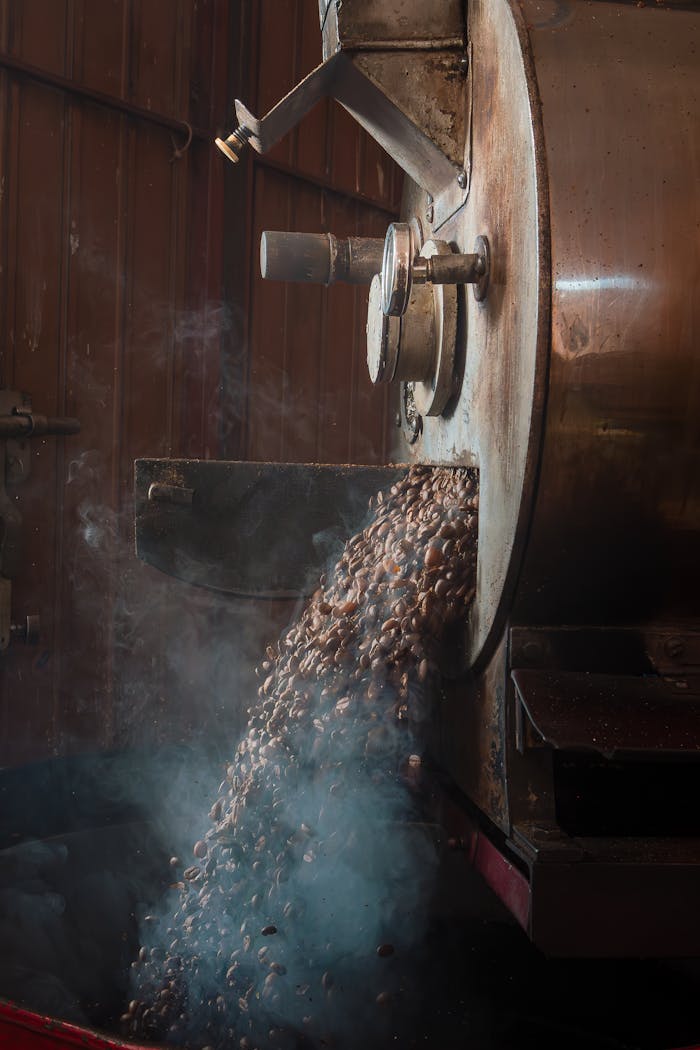
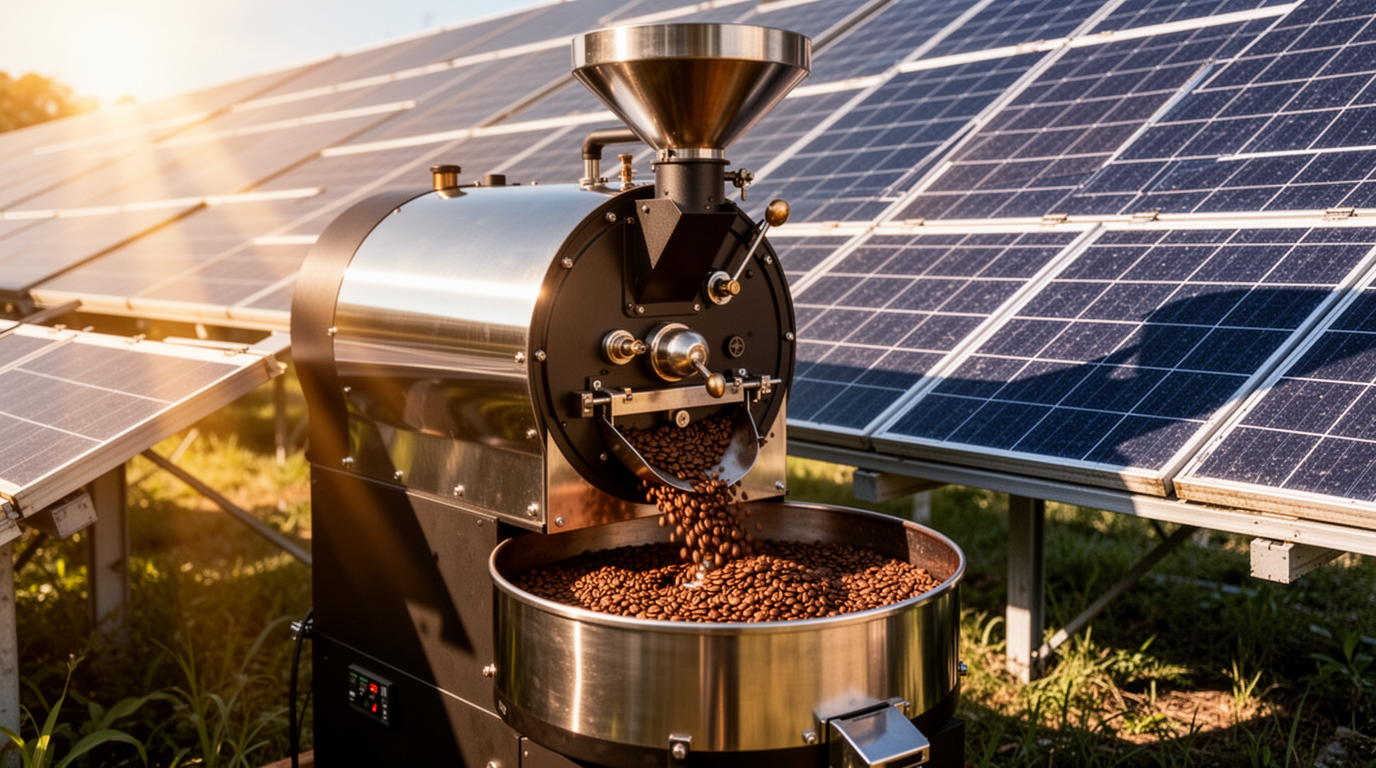
Sustainable roasting is not a single practice — it is a philosophy that runs through every operational decision. For Snob’s, it means investing in energy-efficient roasting equipment that reduces carbon output per kilogram of coffee processed. It means managing waste streams carefully, finding use for chaff and defective beans rather than discarding them. It means packaging choices that minimize environmental impact without compromising the shelf integrity that premium coffee requires.
It also means paying fairly. Sustainable sourcing and sustainable business are inseparable. When producers receive prices that reflect the true quality of their work, they have the resources to invest in better farming practices, better processing infrastructure, and better livelihoods for their communities. Snob’s commitment to fair pricing along its supply chain is not charity — it is the foundation of long-term supply quality and brand integrity.
A Continental Vision
AfCFTA’s promise is not merely economic. It carries a deeper ambition: the idea that Africa can add value to Africa, that the continent’s resources need not always be exported raw for others to profit from. Snob’s Coffee embodies this ambition in its most tangible form — taking African-grown beans, roasting them with African expertise, and selling the finished product to African consumers and beyond.
As the trade agreement matures and intra-African commerce deepens, brands like Snob’s will serve as proof of concept. They will demonstrate that premium, sustainable, locally rooted coffee businesses can thrive on the continent — and that the future of African coffee does not have to be written somewhere else.
It can be written right here.