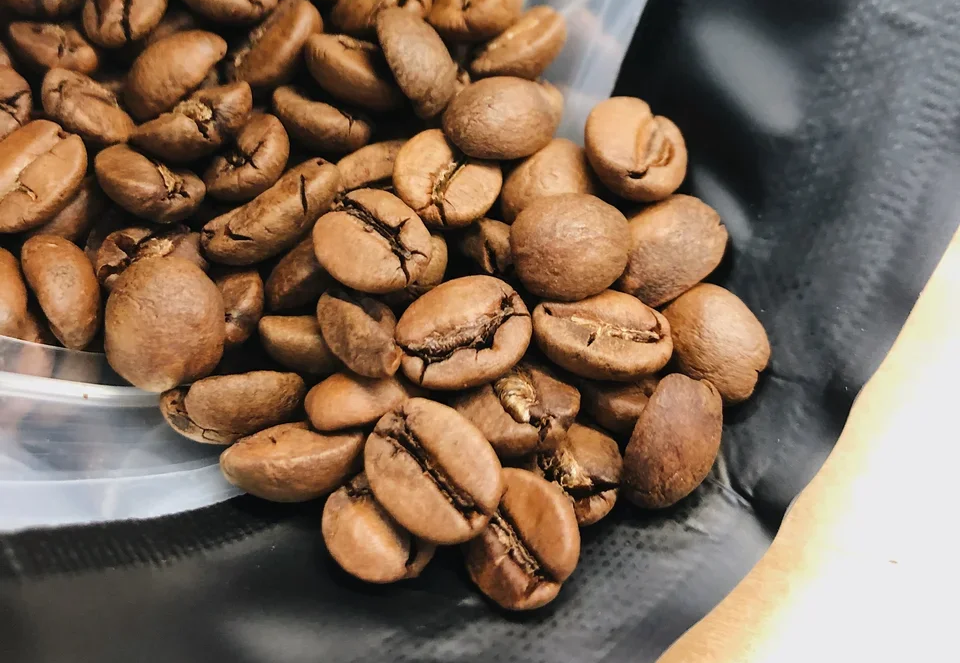

In the world of fine wine, terroir is everything. It is the untranslatable sum of a place — its soil composition, its elevation, its microclimate, the angle at which sunlight reaches the vine, the morning mists that roll in from a nearby valley. Winemakers speak of terroir with reverence precisely because it cannot be manufactured or replicated. It can only be preserved or destroyed. The same is true of exceptional coffee, and the parallel is not accidental. The finest single-origin beans carry within them a fingerprint of their place of origin that is as specific, as fragile, and as irreplaceable as anything the wine world has to offer. The roaster’s job is not to impose a signature on that fingerprint but to reveal it — to apply just enough heat, with just enough precision, to unlock what the green bean already contains without overwriting it with roast flavor.
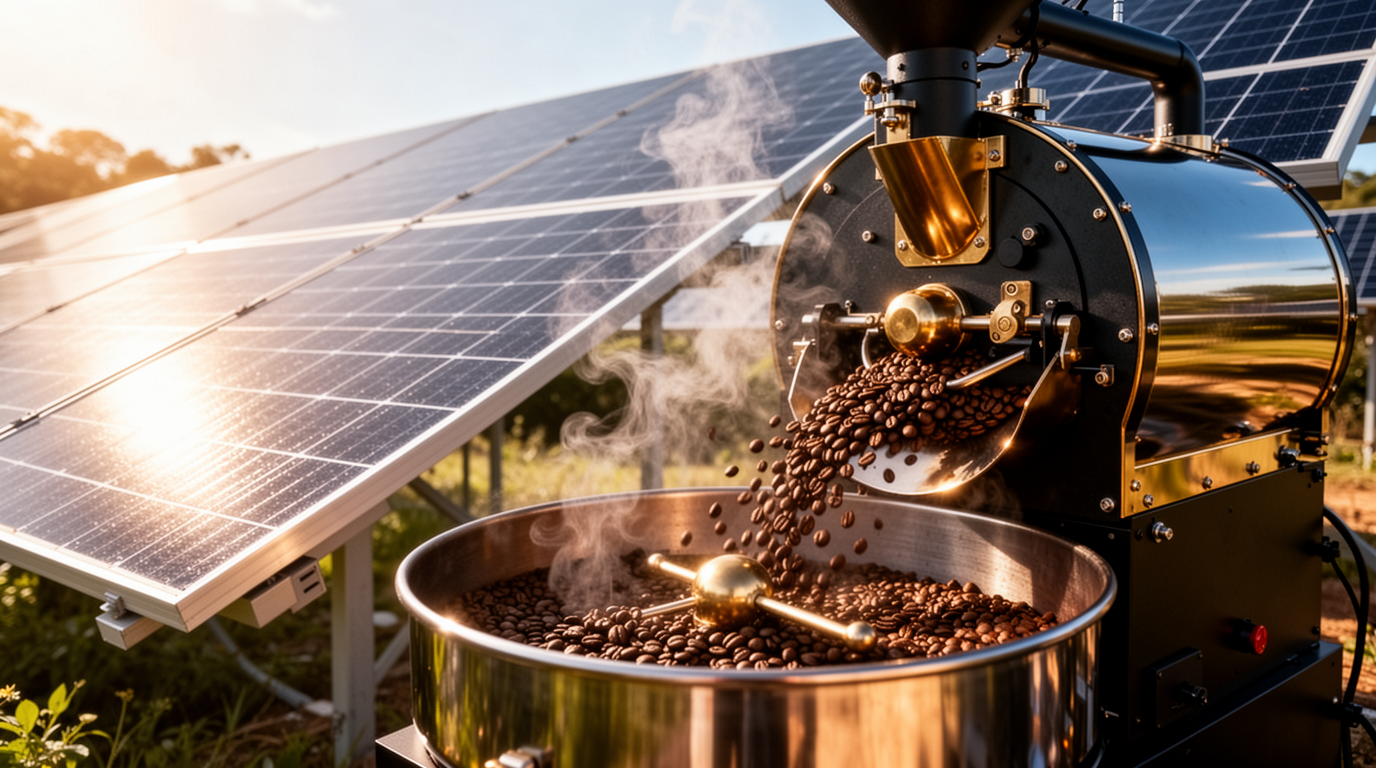
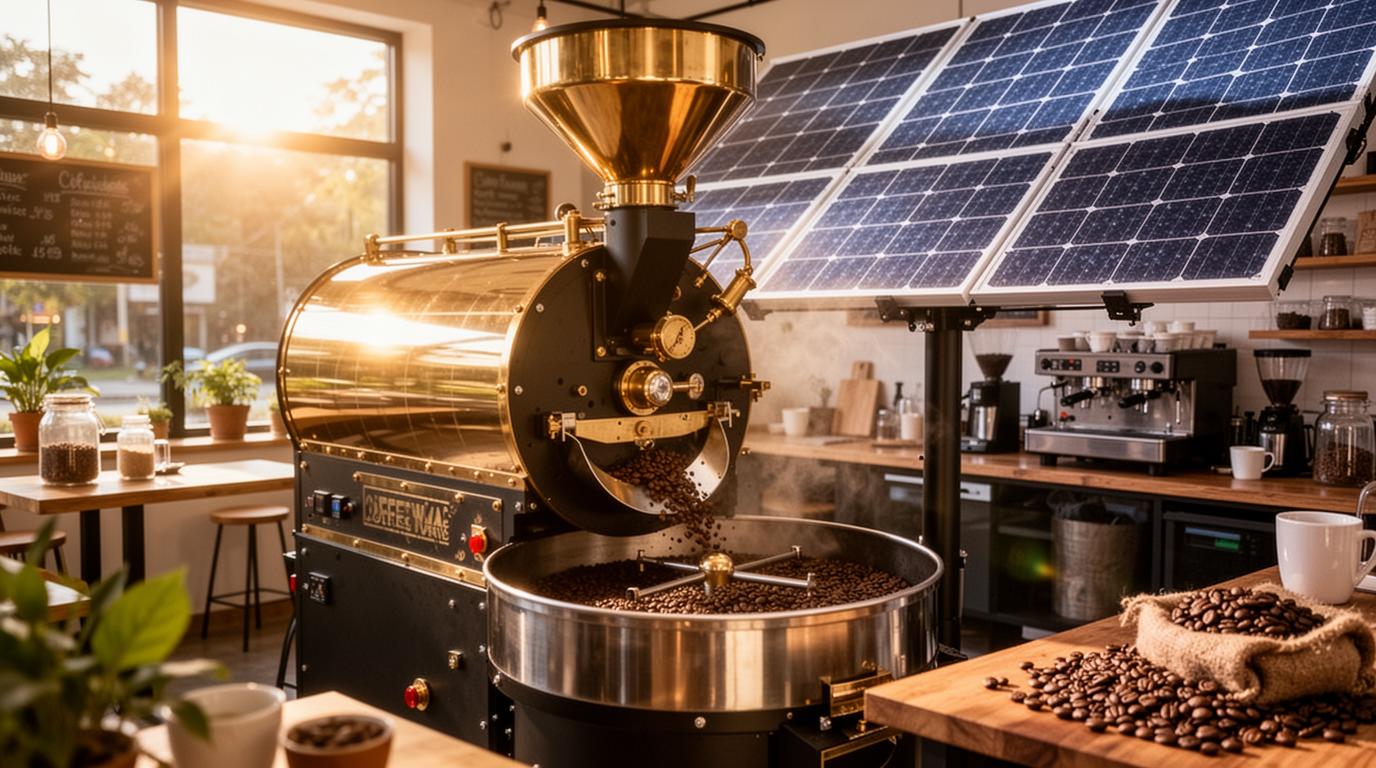
This is precisely where solar roasting demonstrates its most significant advantage over conventional methods. Its inherent gentleness — the stability of its energy delivery, the absence of combustion byproducts, the precision of its thermal control — makes it the ideal technology for the preservation of terroir in single-origin, premium coffee.
What Terroir Means in Coffee
Coffee terroir encompasses everything that happens to a bean before it reaches the roastery. The variety — whether Bourbon, Typica, Geisha, or one of the thousands of landrace varieties found across the African continent. The altitude at which it was grown, which determines the density of the bean and the concentration of its flavor compounds. The soil chemistry, which influences mineral uptake and contributes to the cup’s structural complexity. The processing method — washed, natural, honey — which shapes the relationship between the bean and its sugars during fermentation. The drying conditions, the sorting standards, the care taken at every stage of post-harvest handling.
All of these variables contribute to a flavor profile that is, in the truest sense, a record of a specific place and time. A Geisha from a specific farm in Panama during a specific harvest year will never taste exactly the same again. A Yirgacheffe from a specific washing station, processed by specific hands during a specific wet season, is singular. The roaster who receives these beans is the final custodian of something genuinely irreplaceable.
Why Conventional Roasting Puts Terroir at Risk
The primary threat to terroir expression in roasting is excess — excess heat, excess development, or excess roast-derived flavor that drowns the origin characteristics beneath layers of caramelization and carbon. Conventional gas roasting, for all its virtues, introduces several risk factors in this regard. Combustion gases share the roasting environment with the beans, potentially depositing trace compounds on the bean surface. Gas pressure fluctuations introduce variability into the heat curve at precisely the moments — early Maillard development, the approach to first crack, the critical development phase — when stability matters most. And the tendency of conventional systems to develop bean surfaces faster than interiors can produce a cup where roast flavor leads and origin follows, rather than the reverse.
For commodity coffee, these risks are manageable — the goal is consistency at scale rather than origin fidelity. But for single-origin premium beans, where the entire value proposition rests on the uniqueness of the cup, they represent a genuine threat to quality.
How Solar Roasting Protects Origin Character
Solar roasting addresses each of these risks systematically. The absence of combustion in the energy generation process means that the roasting environment is free from the trace byproducts that gas systems introduce. The electrical energy delivered by a solar and battery system is inherently more stable than gas combustion, providing a heat input that is less susceptible to the fluctuations that cause profile deviation during critical development windows.
The result is a roasting environment that is, in the most literal sense, cleaner — one in which the bean’s own chemistry drives the flavor development rather than competing with external inputs. The volatile aromatic compounds that carry terroir information — the aldehydes, esters, ketones, and organic acids that encode the floral, fruit, and mineral characteristics of a specific origin — have a better chance of surviving intact through the roast when the thermal environment is stable and uncontaminated.
The Gentleness Principle
Gentleness in roasting does not mean low temperature or underdevelopment. It means the application of appropriate heat with precision and consistency — enough to fully develop the bean’s potential without overshooting into the territory where roast flavor overwrites origin flavor. Solar roasting technology, with its stable energy delivery and sophisticated data monitoring, makes this calibration more achievable and more repeatable than any conventional system.
For the premium single-origin beans that Snob’s Coffee sources from across the African continent and beyond, this gentleness is not a compromise. It is the point. The terroir of a high-altitude Ethiopian or a Rwandan natural is worth traveling to experience, worth paying for, and worth protecting with every tool that modern roasting technology provides.
The bean has already done the hard work of accumulating its character across months of careful cultivation. The roaster’s obligation is simply not to undo it.