Fluidised Bed Roasting vs. Traditional Methods: A Comparative Analysis of Flavor, Efficiency, and Environmental Impact The quest for the perfect roast is as old as the consumption of coffee, tea, and cocoa beans themselves. For centuries, traditional methods like drum roasting have been the cornerstone of this culinary art, imbuing products with characteristic aromas and flavors. However, the advent of fluidised bed roasting technology presents a compelling alternative, promising enhanced efficiency and potentially a lighter environmental footprint.
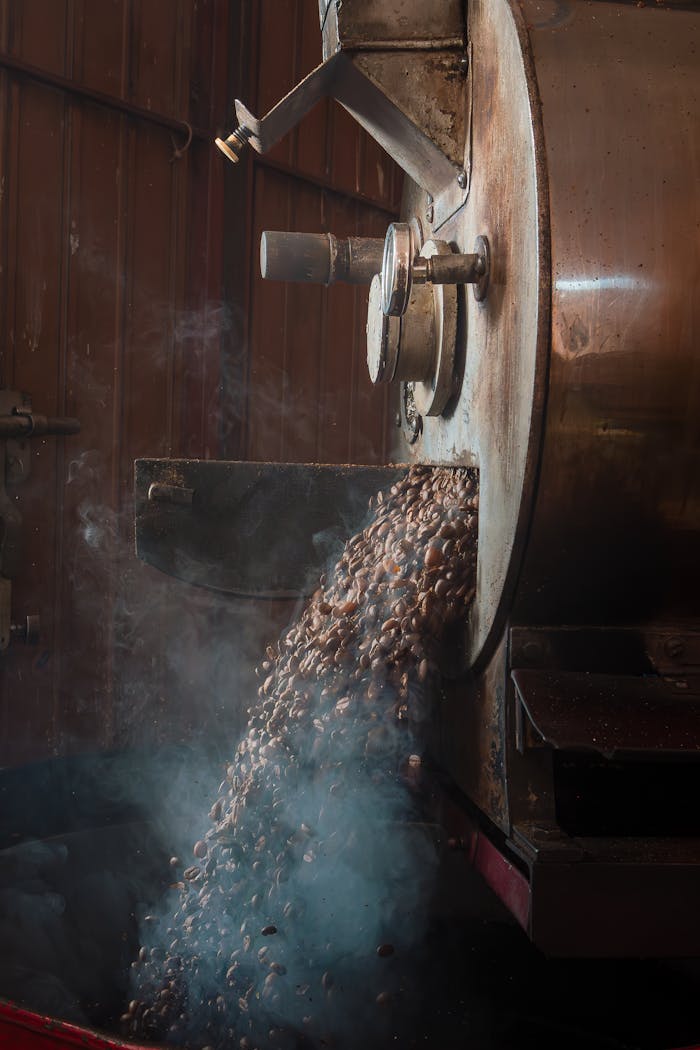
This analysis delves into a comparative study of these two roasting paradigms, examining their impact on flavor profiles, operational efficiency, and ecological considerations. Traditional drum roasting, a method characterized by its gentle, convective tumbling of beans within a heated rotating drum, is revered for its ability to develop complex and nuanced flavors. The slow and even heat distribution allows for delicate chemical transformations, leading to the rich, aromatic compounds that connoisseurs cherish. This controlled environment fosters a predictable roasting curve, making it a trusted technique for achieving sought-after taste experiences. Fluidised bed roasting, in contrast, utilizes a much more dynamic process.
Here, hot air is forced upwards through a bed of beans, suspending them in a turbulent, fluid-like state. This intense and rapid heat transfer promotes faster roasting times and, crucially, allows for exceptional control over the roasting temperature and duration. Proponents argue that this rapid browning can lock in desirable volatile compounds, leading to brighter, cleaner flavor profiles, particularly advantageous for lighter roasts. From an efficiency standpoint, fluidised bed roasting often holds a significant advantage. The accelerated roasting times translate to higher throughput and reduced energy consumption per batch, making it an attractive option for commercial operations seeking to optimize production. Conversely, drum roasters, while potentially more energy-intensive due to longer roast cycles, offer a more established and familiar operational framework for many producers. The environmental implications of each method are also noteworthy.
Fluidised bed roasters, with their quicker cycles and potentially lower overall energy demand, can contribute to a reduced carbon footprint per unit of product. Furthermore, the nature of the fluidised bed can sometimes lead to more efficient capture of roasting byproducts, potentially mitigating air pollution even further. Traditional drum roasters, while often requiring more energy, have seen advancements in emission control technology, aiming to bridge the environmental gap. In conclusion, the choice between fluidised bed and traditional drum roasting hinges on a delicate balance of desired flavor outcomes, operational scale, and environmental priorities. While drum roasting offers a time-tested path to classic, complex flavors, fluidised bed technology presents an exciting frontier of speed, efficiency, and potentially, a more sustainable future for the roasting industry. The ongoing evolution of both methods promises a dynamic landscape for the pursuit of perfectly roasted goods.
Indeed, the nuanced dance between heat and time in drum roasting allows for a gradual development of sugars and organic acids, leading to the characteristic Maillard reaction and caramelization that define a well-rounded flavor profile. This extended exposure to heat, while potentially less energy-efficient, is often preferred for darker roasts where a more pronounced, smoky, or bitter note is desired. The inherent “baking” effect within a drum, where beans are in constant contact with the heated metal walls, contributes to a different type of heat transfer than the purely convective approach of fluidised beds, resulting in a distinct sensory experience.
Fluidised bed roasting, with its rapid and uniform heat application, excels in highlighting the intrinsic qualities of the bean. The swiftness of the process minimizes the degradation of delicate aromatic compounds and can accentuate the brighter, fruitier, or floral notes, especially prevalent in high-altitude single-origin coffees. This method is particularly adept at producing lighter roasts that showcase the raw potential of the coffee cherry, offering a clean and vibrant cup that appeals to a growing segment of the coffee-drinking public. The challenge lies in managing the intensity to avoid underdevelopment or “tipping” the beans, where flavors can become anemic or acrid.
From an economic perspective, the throughput advantage of fluidised bed roasters cannot be overstated in high-volume production environments. Reduced batch times directly translate to increased output within a given period, leading to lower labor costs per kilogram. While the initial capital investment for a fluidised bed system might be comparable or even higher than a traditional drum roaster, the long-term operational savings in energy and increased productivity often make it a more economically viable choice for large-scale roasters.
However, the established infrastructure and familiarity with drum roasting can be a significant factor for smaller or artisanal roasters. The learning curve for mastering fluidised bed technology might require a different skillset and approach, and some producers may simply prefer the predictable outcomes and established practices associated with drum roasting. The nuanced control offered by drum roasters also allows for highly customized roast profiles, a key differentiator for craft roasters seeking to imbue their products with a unique artisanal signature.
Ultimately, the future of coffee roasting will likely see a continued coexistence and even integration of both technologies. As sustainability and efficiency become increasingly paramount, fluidised bed roasting is poised for further growth. Yet, the enduring appeal of the complex flavors developed through traditional drum roasting ensures its continued relevance, particularly in the specialty coffee market. Innovations in both areas, such as hybrid roasting systems that combine elements of both, may emerge, offering the best of both worlds: superior flavor development with optimized efficiency and environmental performance.