
Every brand has an origin story, but not every origin story is worth telling. The ones that matter — the ones that travel beyond press releases and About pages to become genuine cultural currency — share a common quality: they are true. Not embellished, not constructed for effect, but rooted in a real decision made by a real person at a specific moment, for reasons that hold up under scrutiny. The Snob’s Coffee story is that kind of story. It begins not with a vision statement or a market gap analysis but with a conviction — that exceptional coffee and genuine responsibility are not competing values but complementary ones, and that building a brand on both simultaneously is not idealism but strategy.
The Decision That Defined Everything
The founding of Snob’s Coffee was, at its core, an act of refusal. A refusal to accept that South African coffee had to be ordinary. A refusal to accept that sustainable business practice meant compromising on quality. A refusal to accept that the energy crisis gripping the country was simply a cost of doing business that had to be absorbed and passed on. Each of these refusals pointed in the same direction: toward a roastery that would be built differently, powered differently, and positioned differently from anything the local market had seen before.
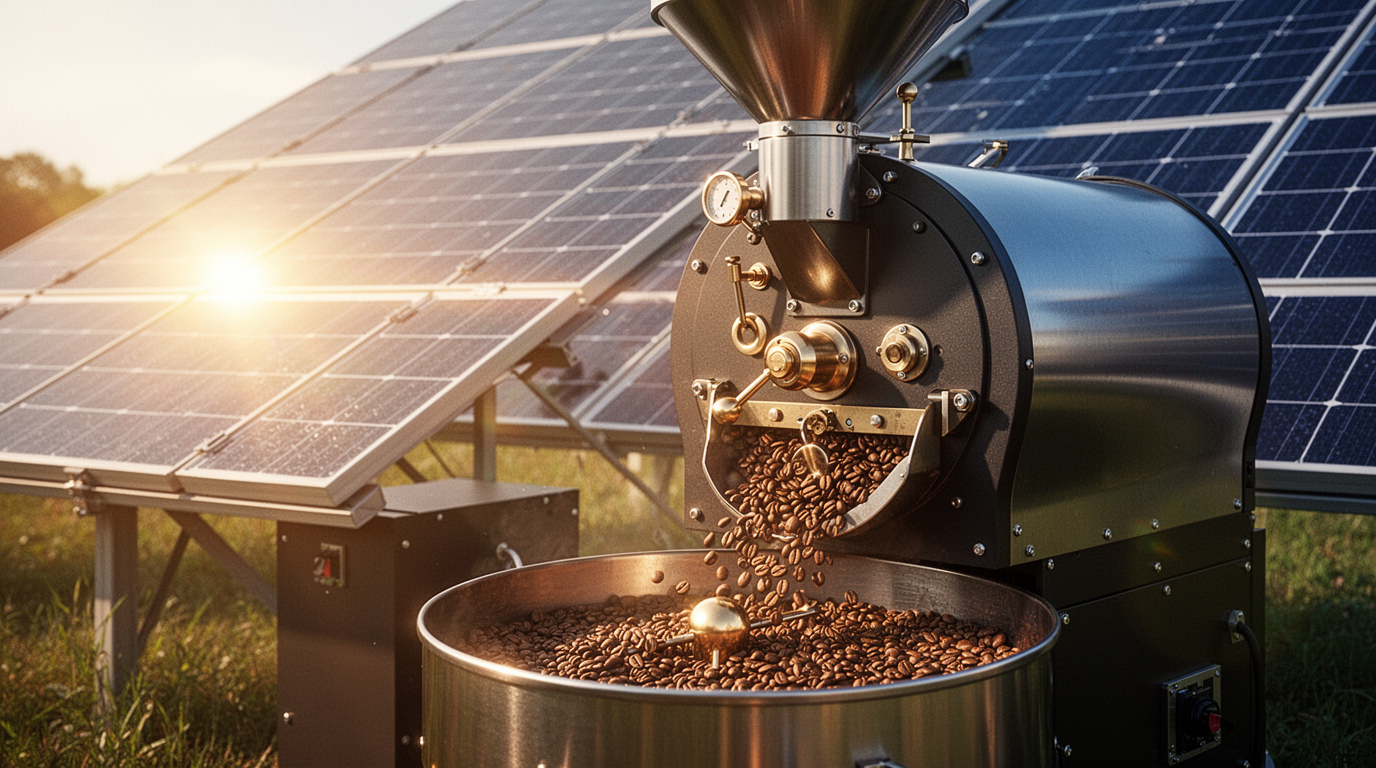
The decision to invest in solar infrastructure from the outset was not primarily financial — the capital cost of a commercial solar installation is substantial, and the payback period is measured in years rather than months. It was philosophical. A roastery that claims to care about quality and sustainability while burning fossil fuels for its core production process is making a claim that its operations contradict. Snob’s Coffee was not willing to make that contradiction. The solar roastery was the brand’s first and most unambiguous statement about what it stands for.
Innovation as Identity
What distinguishes Snob’s Coffee from the wave of artisanal roasteries that have emerged across South African cities over the past decade is not primarily aesthetic — though the brand’s visual identity is distinctive and considered. It is the depth of its investment in innovation as an operational principle rather than a marketing posture.
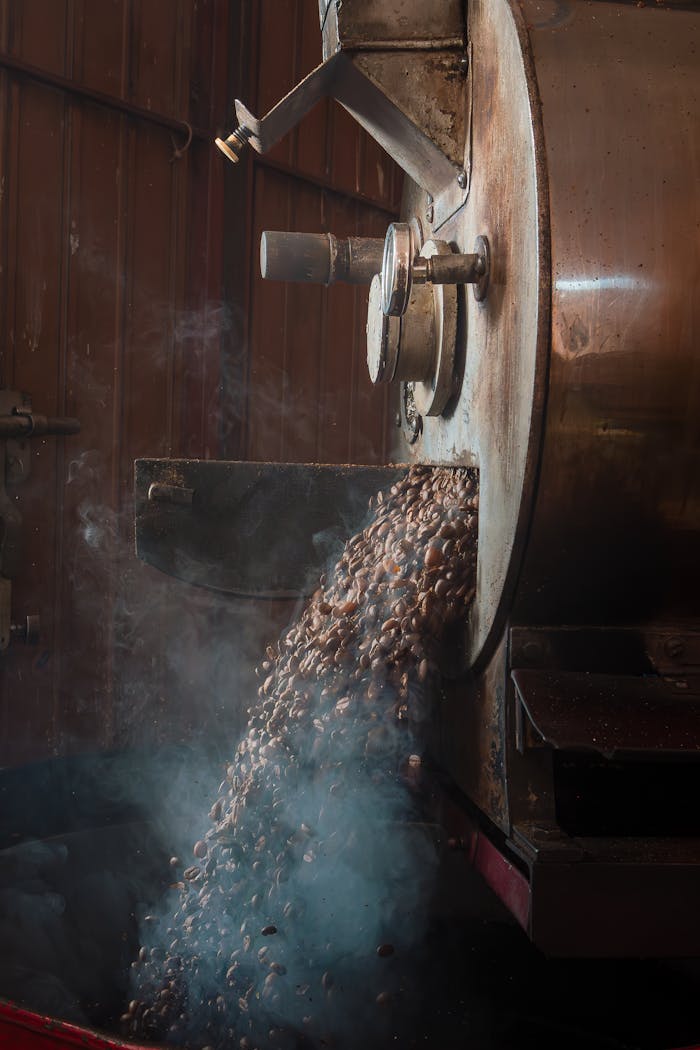
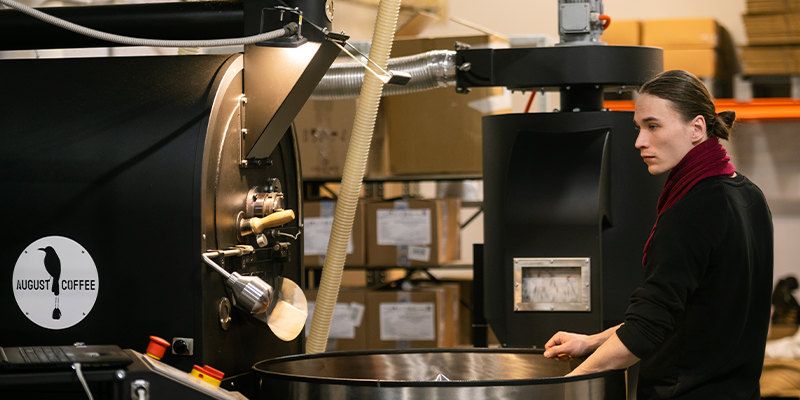
Innovation at Snob’s Coffee means infrared roasting technology that preserves volatile aromatic compounds more completely than conventional methods. It means real-time profiling software that allows every roast to be monitored, adjusted, and documented with a precision that was unavailable to previous generations of roasters. It means direct trade sourcing relationships that give the brand visibility into green coffee quality at the farm level, allowing it to select and develop lots that the commodity market would never differentiate. And it means a commitment to continuous improvement — the recognition that the current standard is not the final standard, and that the work of getting better is never finished.
This culture of innovation is not confined to the roasting process. It extends to packaging, where material choices reflect both functional performance and environmental responsibility. It extends to customer communication, where transparency about sourcing, roasting, and quality standards sets a level of honesty that most brands in the category are unwilling to match. And it extends to the brand’s commercial model, where the subscription offering and direct-to-consumer channel reflect a deliberate decision to build a direct relationship with the customer rather than depending on intermediaries whose priorities may not align with the brand’s.
Sustainability as Commercial Logic
The sustainability credentials of Snob’s Coffee are sometimes discussed as if they were a form of corporate generosity — a decision to do the right thing at some cost to commercial performance. This framing misunderstands the strategy entirely. Sustainability at Snob’s is not a cost center. It is a competitive advantage, and it was recognized as such from the beginning.
The solar roastery eliminates energy costs that would otherwise accumulate across every production day for the life of the business. Direct trade sourcing, by removing intermediaries and building long-term producer relationships, provides supply chain stability and quality consistency that the commodity market cannot offer. The brand’s environmental credentials open doors in export markets — particularly in Europe and the Gulf — where sustainability disclosure requirements are tightening and premium consumers actively select brands that can demonstrate responsible practice.
In each of these cases, doing the right thing and doing the commercially intelligent thing point in the same direction. That alignment is not coincidental. It was designed.
The Brand That Earns Its Name
The name Snob’s Coffee makes a promise that most brands would find intimidating: that this coffee is better, that the difference is real, and that knowing the difference matters. It is a promise that the brand’s founders made with full awareness of what it required — not just good coffee, but exceptional coffee, delivered with the consistency and integrity that transforms a first purchase into a loyal relationship.
Building a brand on a foundation of innovation and sustainability is not easier than building one on price or convenience. It requires more capital, more patience, more willingness to invest in things whose returns are long-term rather than immediate. But it builds something that price and convenience cannot: a reputation that compounds. Each roast that meets the standard, each sourcing relationship that deepens, each customer whose expectations are exceeded rather than merely met — these are deposits in a brand equity account that grows more valuable with time.
The Snob’s Coffee story is still being written. But its foundation — innovation, sustainability, and the honest confidence that quality without apology is always worth pursuing — is already set.