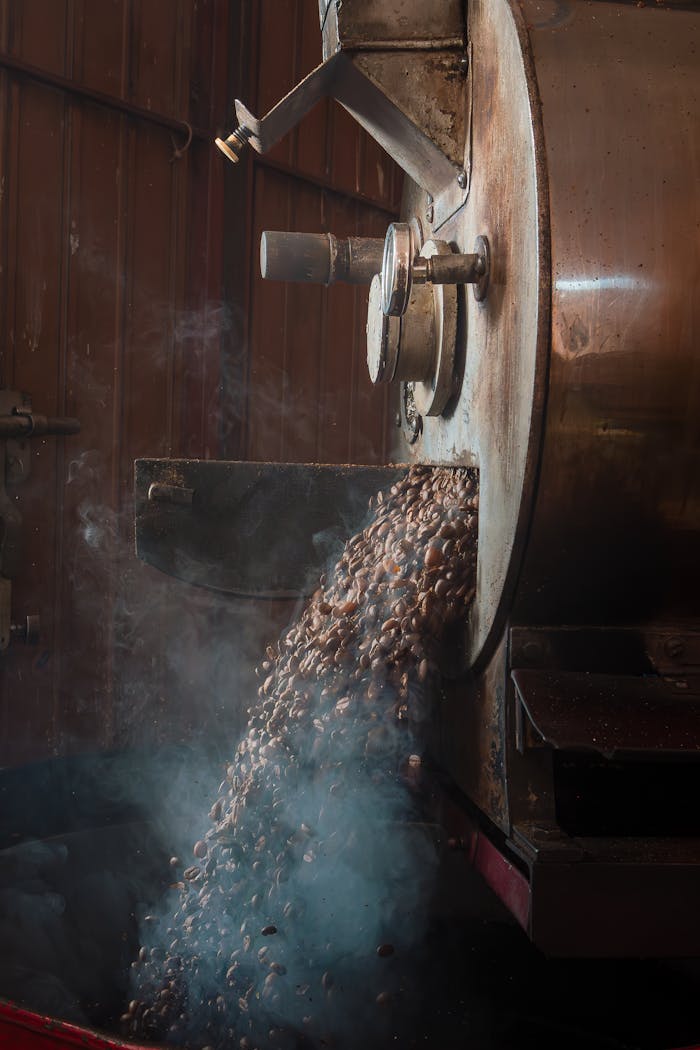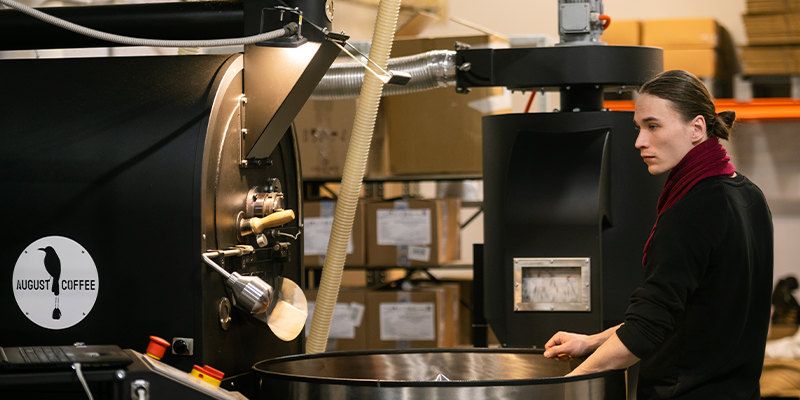

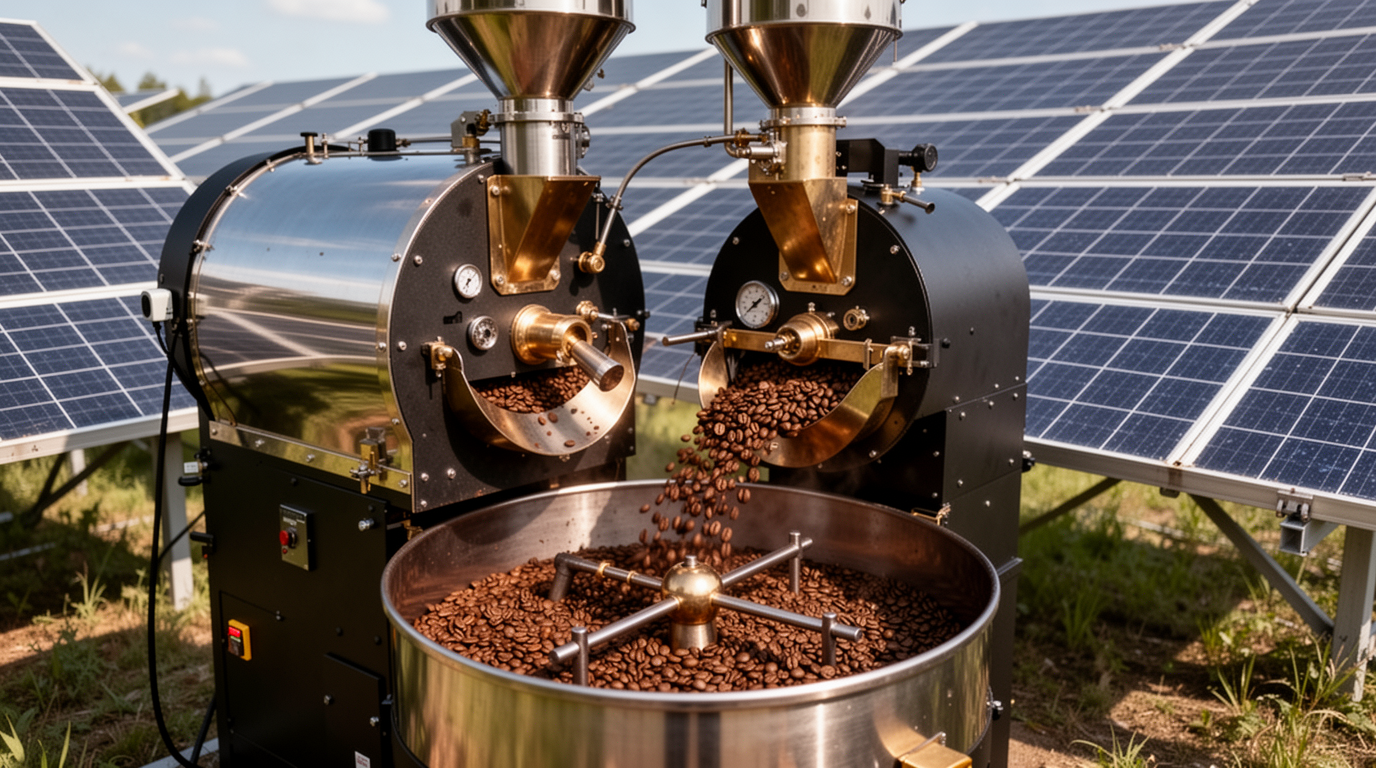
Every great coffee begins with the green bean and the roast. But it does not end there. The brewing process is the final stage in a journey that started on a farm, passed through a washing station, crossed an ocean, and survived the thermal crucible of the roastery. Everything accomplished at those earlier stages — the careful cultivation, the precise sorting, the solar roasting that preserved origin character and minimized bitter compounds — can be undone in minutes by a brewing process that applies the wrong temperature, the wrong ratio, or the wrong contact time.
Snob’s Coffee solar-roasted range has specific characteristics that make it particularly responsive to brewing precision. Its clean finish, bright acidity, and heightened aromatic complexity reward the brewer who pays attention. They also suffer more noticeably than less nuanced coffees when brewing parameters are poorly chosen — precisely because there is more delicate character to lose. What follows is a practical guide to brewing methods and parameters that allow Snob’s solar-roasted coffee to express itself fully.
Understanding the Foundation: Water
Water is approximately ninety-eight percent of a brewed cup of coffee, and its chemical composition has a profound effect on extraction efficiency and flavor perception. For solar-roasted coffee, where acidity and aromatic clarity are defining characteristics, water quality is particularly important.
The ideal brewing water for specialty coffee has a total dissolved solids content between 75 and 150 parts per million, with a balanced mineral profile that includes calcium for extraction efficiency and bicarbonate for buffering. Water that is too soft will under-extract and produce a thin, overly acidic cup. Water that is too hard, or high in bicarbonate, will mute acidity and produce a flat, chalky impression. If tap water in your area is heavily treated or very hard, filtered water is strongly recommended. The investment is small relative to its impact on cup quality.
Brewing temperature is the other water variable that demands attention. The recommended range for specialty coffee is between 90 and 96 degrees Celsius, with the specific position within that range depending on roast level and brewing method. For the lighter roast profiles typical of Snob’s single-origin range, temperatures toward the higher end of this range — 93 to 96 degrees — ensure complete extraction of the compounds responsible for brightness and complexity. Temperatures below 90 degrees risk underextraction, producing a sour, underdeveloped cup that misrepresents the coffee’s potential.
Pour-Over: The Method of Choice for Origin Expression
For solar-roasted single-origin coffee, the pour-over method is the clearest lens through which to experience the terroir characteristics that the roasting process has worked to preserve. The manual control it offers over pour rate, water distribution, and contact time allows the brewer to fine-tune extraction in response to what the coffee is telling them, and its paper filter produces the clean, transparent cup that allows delicate aromatic compounds to express themselves without interference from oils or fines.
Recommended parameters for pour-over brewing of Snob’s solar-roasted range: a coffee-to-water ratio of 1:15 to 1:16 by weight, a medium-fine grind appropriate to the specific dripper being used, water temperature of 94 degrees Celsius, and a total brew time of between two minutes thirty seconds and three minutes fifteen seconds. Begin with a bloom — a pre-infusion pour of approximately twice the coffee weight in water, allowed to sit for thirty to forty-five seconds — to degas the coffee and ensure even extraction. Follow with slow, controlled pours in concentric circles, maintaining a consistent water level above the coffee bed.
The V60, Chemex, and Kalita Wave are all well-suited to this approach, each producing slightly different cup characteristics. The V60 tends toward brightness and clarity. The Chemex, with its heavier paper filter, produces exceptional cleanliness at the expense of some body. The Kalita Wave offers a more balanced extraction that suits medium-roast profiles particularly well.
Espresso: Precision Under Pressure
Brewing solar-roasted single-origin coffee as espresso is a more demanding proposition but a rewarding one for those willing to engage with the parameters carefully. The intensity of espresso extraction amplifies every characteristic of the coffee — its sweetness, its acidity, its aromatic complexity, and, if extraction is poorly managed, any residual bitterness or astringency.
For Snob’s solar-roasted range, a slightly longer extraction ratio than the specialty standard is recommended: a brew ratio of 1:2.5 to 1:3, extracting over twenty-eight to thirty-two seconds at nine bars of pressure. This longer ratio allows the coffee’s sweetness and fruit characteristics to develop fully without the concentrated bitterness that can emerge from tighter ratios. Grind slightly coarser than you would for a conventional espresso and dial in through taste rather than timer, paying particular attention to the finish — the clean resolution that characterizes this coffee should be preserved even under espresso conditions.
Cold Brew: Unlocking Sweetness
The cold brew method — coarse ground coffee steeped in cold water for twelve to twenty-four hours — produces a cup with significantly lower acidity and higher perceived sweetness than hot-brewed methods. For Snob’s naturally processed origins, where stone fruit and chocolate notes are prominent, cold brew is a revelation. The extended, low-temperature extraction draws out sweetness and body while suppressing the acidic brightness that hot brewing emphasizes, producing a cup that is rich, smooth, and extraordinarily easy to drink.
Use a ratio of 1:8 coffee to cold water for a concentrate, diluted 1:1 with water or milk before serving. Steep at refrigerator temperature — between 2 and 4 degrees Celsius — for eighteen hours. Strain through a paper filter for maximum clarity. The result will keep refrigerated for up to two weeks without significant flavor degradation.
The Universal Principle
Across all brewing methods, the universal principle for Snob’s solar-roasted coffee is this: use precise measurements, use good water, and taste with attention. The coffee has been carefully sourced, carefully roasted, and carefully packaged to arrive at your cup with its character intact. The final step — the brewing — is your contribution to a process that many careful hands have contributed to before yours.
Take the time to do it well. The coffee has already done most of the work.