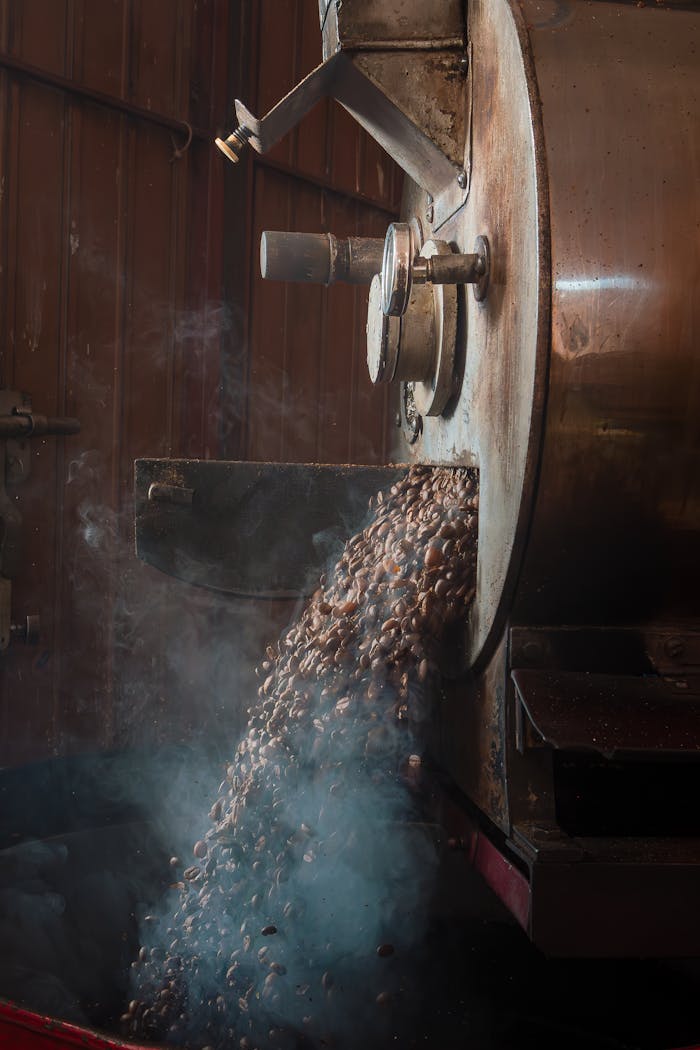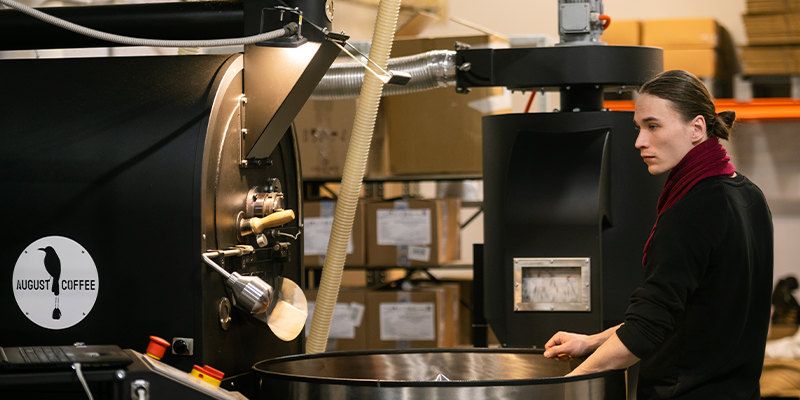

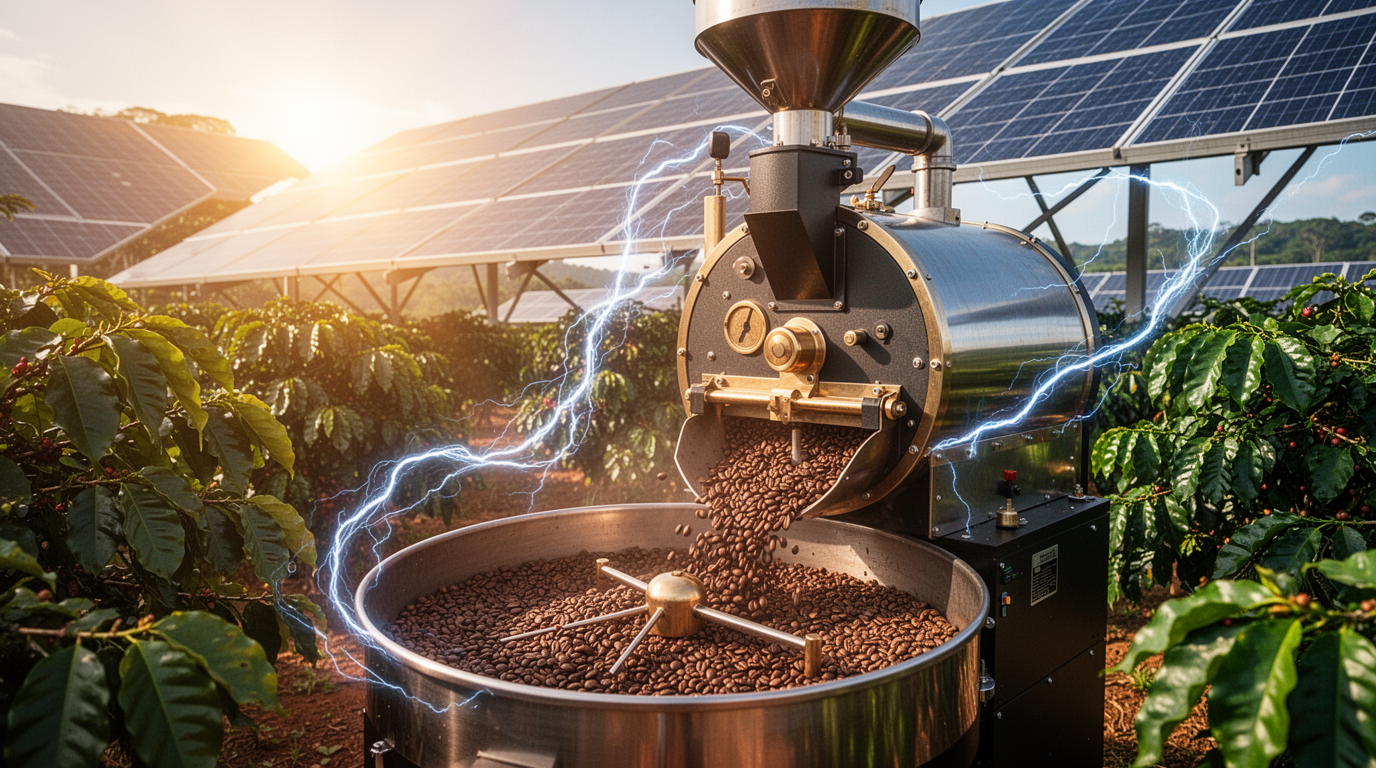
Ask any experienced specialty roaster what they value most in their equipment, and the answer will almost certainly be control. Not power, not speed, not even efficiency — control. The ability to know precisely what is happening inside the drum at every moment of the roast, to respond to what the beans are telling them, and to guide the development process toward an outcome that was imagined before the first green bean dropped into the charge.
Control is what separates a thoughtful roaster from a machine operator. And it is precisely in the dimension of control that solar roasting technology, implemented well, offers advantages that experienced roasters find genuinely transformative.
The Stability Advantage
Coffee roasting is, at its core, a thermal management exercise. The roaster applies heat according to a carefully designed curve — managing the rate at which bean temperature rises, the timing of key development stages, the relationship between drum temperature and bean mass temperature across the full arc of the roast. Deviation from the intended curve, at any point, affects the flavor outcome. A rate of rise that climbs too steeply in the development phase drives off delicate aromatics. One that stalls produces underdeveloped, grassy notes. The margin for error in specialty roasting is measured in degrees and seconds.
Conventional gas roasting systems are subject to variability that the roaster cannot fully control. Gas pressure fluctuates with supply conditions. Ambient temperature affects how quickly the drum heats and recovers between batches. Combustion dynamics shift with humidity and altitude. Each of these variables introduces noise into the system — small deviations from the intended profile that accumulate across a production day and manifest as inconsistency in the finished product.
Solar-powered roasting systems, by contrast, deliver electrical energy with a consistency that gas combustion cannot match. The conversion of solar energy to electrical power, buffered through battery storage, provides a stable, clean energy input that is not subject to the pressure fluctuations and combustion dynamics that introduce variability in gas systems. For the roaster, this means the intended profile is easier to execute — the system responds predictably to adjustments, and the gap between the curve on the profiling software and the curve in the drum is narrower.
Data as a Roasting Tool
Modern solar roasting infrastructure is, by necessity, deeply integrated with digital monitoring and control systems. The energy management requirements of a solar-powered commercial operation — tracking generation, storage, consumption, and distribution in real time — demand sophisticated data infrastructure. That same infrastructure, when extended to the roasting process itself, provides the roaster with a level of visibility into what is happening inside the drum that was simply not available to previous generations of coffee professionals.
Temperature at multiple points in the drum. Rate of rise calculated in real time. Energy input adjusted automatically to maintain a target curve. Batch-by-batch comparison against historical profiles. Deviation alerts that flag when the actual roast is diverging from the intended one, with enough lead time to make a corrective adjustment before the outcome is compromised.
Experienced roasters at Snob’s Coffee describe this data environment not as a replacement for sensory judgment — the sight, sound, and smell of a roast remain irreplaceable — but as an enhancement of it. The data confirms or challenges what the senses are reporting. It catches the small deviations that even a skilled roaster’s attention might miss during a busy production day. And it creates a record that allows every roast to be learned from, building institutional knowledge that improves quality over time.
Creative Freedom Through Technical Confidence
Perhaps the most unexpected benefit that solar technology provides, in the experience of Snob’s roasting team, is creative freedom. When the technical foundation of the roasting process is stable and well-understood, the roaster’s cognitive resources are freed from the constant management of system variability and redirected toward creative exploration.
New origins can be approached with genuine curiosity rather than defensive caution. Experimental profiles — longer development times, unusual rate-of-rise curves, unconventional charge temperatures — can be tested with confidence that the system will execute the intended profile accurately, allowing the roaster to evaluate the flavor outcome of the experiment rather than troubleshooting equipment behavior.
This creative latitude is where the most interesting flavor development happens. The roasts that define a roastery’s identity — the profiles that make a particular origin sing in a way that no competitor has quite achieved — emerge from exactly this kind of confident, curious experimentation. Solar technology does not generate creativity. But it creates the stable, data-rich environment in which creativity can flourish.
The Roaster’s Verdict
The roasters at Snob’s Coffee are, professionally, a skeptical group. They have worked on multiple roasting systems across different fuel sources and technologies. Their assessment of solar roasting technology is not evangelical — it is considered. The advantages in stability, data integration, and creative freedom are real, they report, but they are advantages that require skill to exploit. The technology raises the ceiling of what is achievable. It does not guarantee that the ceiling will be reached.
What it does guarantee is a working environment in which the pursuit of exceptional flavor development is better supported than in any conventional system they have previously operated. For roasters whose professional identity is built on that pursuit, that guarantee is significant.
The sun, it appears, is an excellent collaborator.