
South Africa’s agricultural sector has always been a study in contrasts. On one side, some of the most technically advanced farming operations on the continent — precision irrigation, world-class viticulture, export-grade citrus and stone fruit that competes confidently on European supermarket shelves. On the other, deep structural inequalities inherited from a history of land dispossession, a smallholder sector chronically underserved by capital and infrastructure, and a processing and value-addition layer that has too often remained in too few hands. The sector is productive. It is not yet fully transformed. And it has not, until recently, produced many models of agri-business that integrate premium quality, environmental sustainability, technological innovation, and genuine social impact into a single coherent operation.
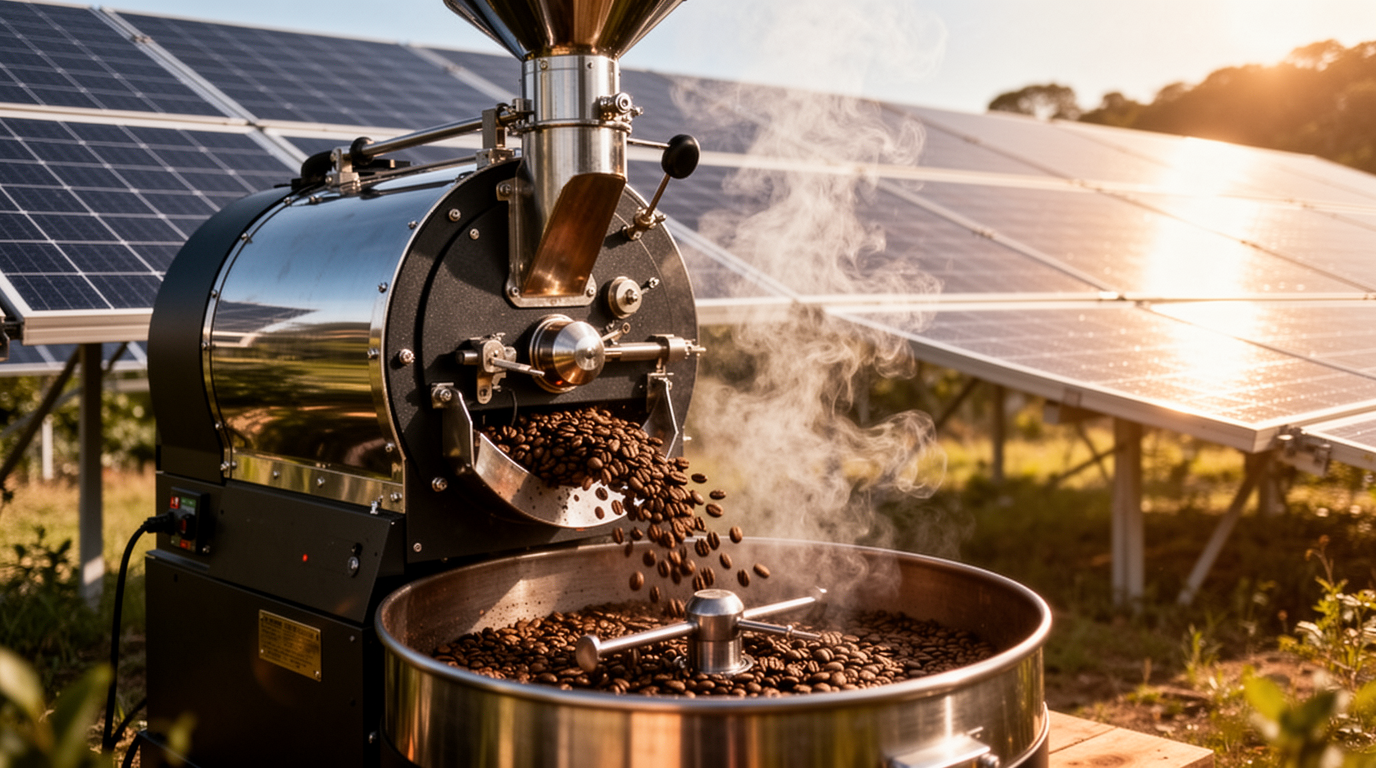
Snob’s Coffee is beginning to change that. In building a solar-powered specialty coffee roastery with direct trade sourcing relationships across the African continent, a structured skills development programme, and a brand identity strong enough to compete internationally, it has assembled something the South African agri-business sector has rarely seen: a replicable blueprint for what modern, responsible, globally competitive agricultural enterprise can look like.
Redefining What Agri-Business Can Be
The traditional model of South African agri-business has been extraction and export. Grow the commodity. Sell it raw. Let someone else add the value. This model has served certain interests well, but it has kept the sector locked in a structural position that limits both its economic contribution and its social impact. The margin is thin. The branding belongs to someone else. The story is told in another language, for another market, by another company.
Snob’s Coffee inverts this model deliberately and completely. It sources from African producers — paying fairly, building long-term relationships, and treating quality at origin as the foundation of quality in the cup. It roasts in South Africa, adding value domestically, employing locally, and capturing the margin that the traditional model surrenders. It brands with confidence, telling a South African and African story to domestic and international consumers who are actively looking for exactly that narrative. And it does all of this while operating on renewable energy, with a training programme that builds genuine career pathways for its workforce.
This is not an incremental improvement on the old model. It is a structural departure from it.
The Benchmark Effect
When a single company demonstrates that a new approach is commercially viable, it does something that policy documents and development frameworks rarely achieve: it makes the alternative real. Other entrepreneurs can point to it. Investors can evaluate it. Graduates can aspire to work within it. Policymakers can study it. The benchmark effect is one of the most underrated forces in economic development — the power of a working example to shift what an entire sector believes is possible.
South African agri-business needs that shift urgently. The sector faces converging pressures — climate volatility, water scarcity, rising input costs, global competition, and the ongoing imperative of transformation — that the old model is not equipped to navigate. What is needed is not a single solution but a new set of operational principles, demonstrated at scale, that show how agricultural enterprise can be both resilient and responsible.
Snob’s Coffee offers several of those principles in practice. Energy independence through renewable infrastructure. Supply chain integrity through direct producer relationships. Brand value through authentic provenance storytelling. Workforce development through structured, skills-rich employment. Market access through digital-first commercial strategy. None of these is unique in isolation. The combination, operating together in a single coherent business, is what constitutes the benchmark.
An Invitation to the Sector
The significance of what Snob’s Coffee is building extends beyond its own commercial success. It is an invitation — to other agri-business entrepreneurs, to investors with patient capital, to development finance institutions looking for catalytic opportunities, and to the government agencies charged with supporting agricultural transformation — to take seriously the possibility that South African agri-business can compete and lead at the global frontier.
The ingredients have always been present. The continent’s agricultural diversity, South Africa’s infrastructure base, its financial sector sophistication, its pool of talented and ambitious young people — these are genuine assets. What has been missing is the model that shows how to assemble them into something world-class.
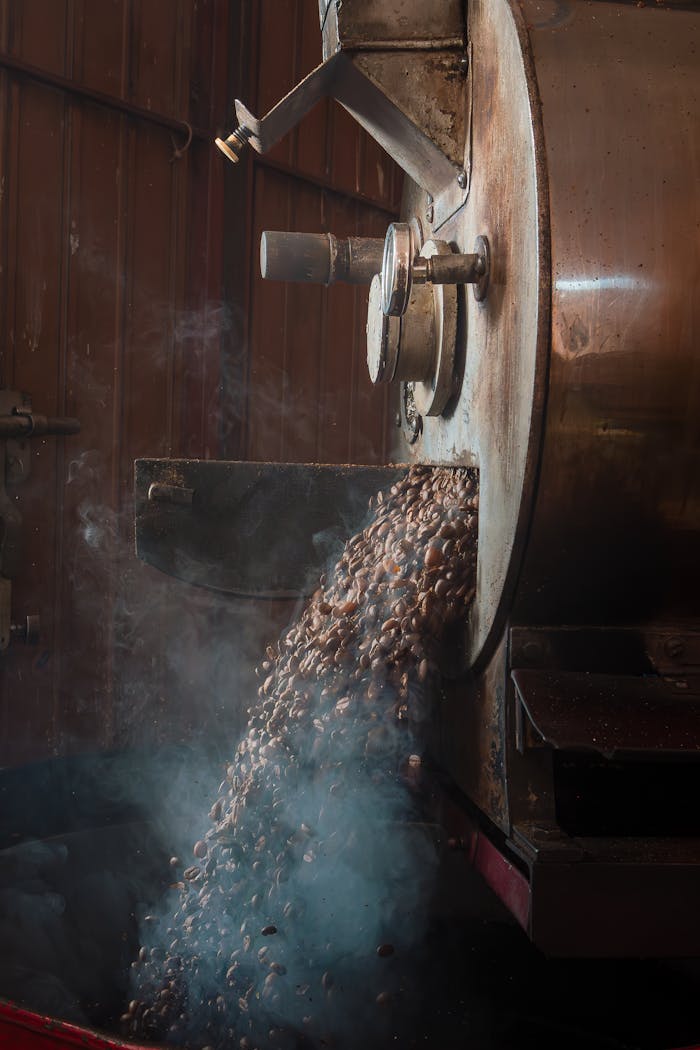
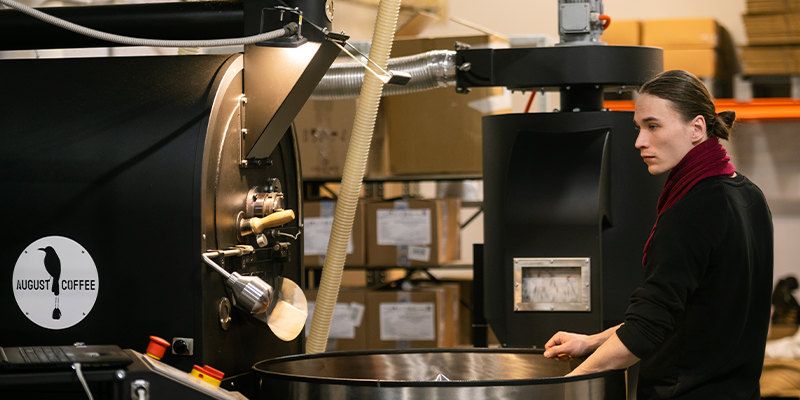
That model is being built, one carefully roasted batch at a time, in a sunlit roastery powered by the African sky.
The benchmark has been set. The question now is who rises to meet it.