
The test of any business model built on genuine quality and genuine sustainability is not whether it works at the scale at which it was founded. It is whether it survives growth. The history of the food and beverage industry is littered with brands that began as authentic expressions of craft and conviction, grew in response to commercial success, and gradually became something their founders would not have recognized — the sourcing relationships compromised for volume, the quality standards relaxed for margin, the sustainability credentials maintained as marketing while the operational reality drifted in a more convenient direction.
Snob’s Coffee is aware of this history. The long-term vision for the brand is not simply growth — it is growth that preserves, and where possible deepens, the quality and sustainability commitments that define what the brand is. This is a harder challenge than growth alone, and it requires a strategic clarity about which elements of the model are non-negotiable and which can be adapted as scale changes.
The Non-Negotiables
Some elements of the Snob’s Coffee model are foundational in the literal sense — remove them, and what remains is a different business with a different story and a different claim on its customers’ trust. These elements are non-negotiable regardless of the commercial pressures that growth may generate.
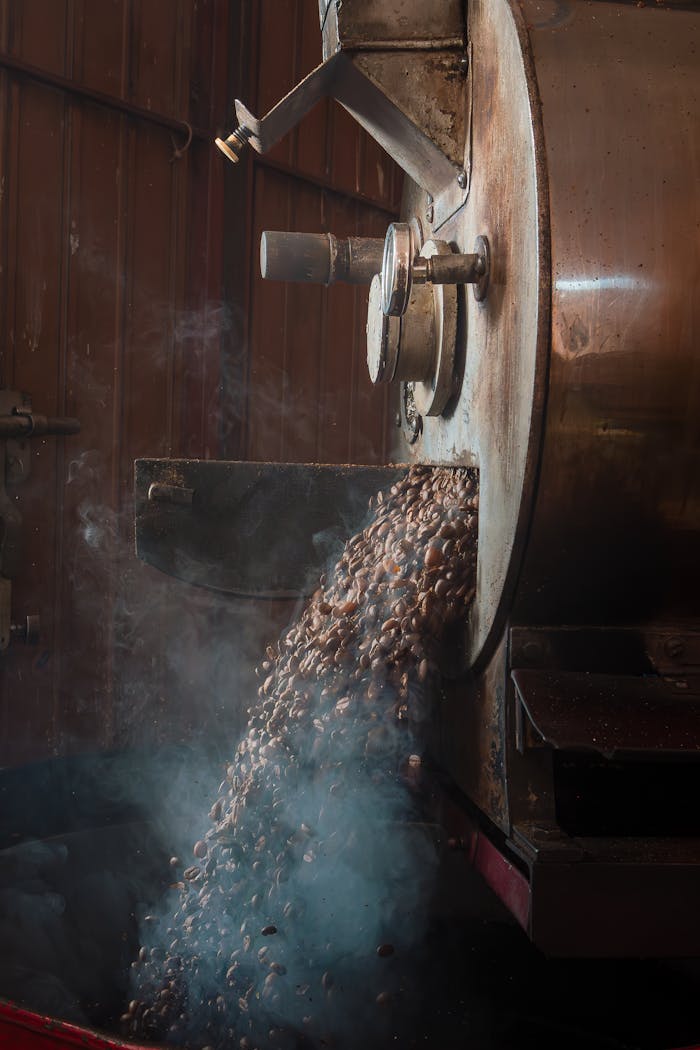
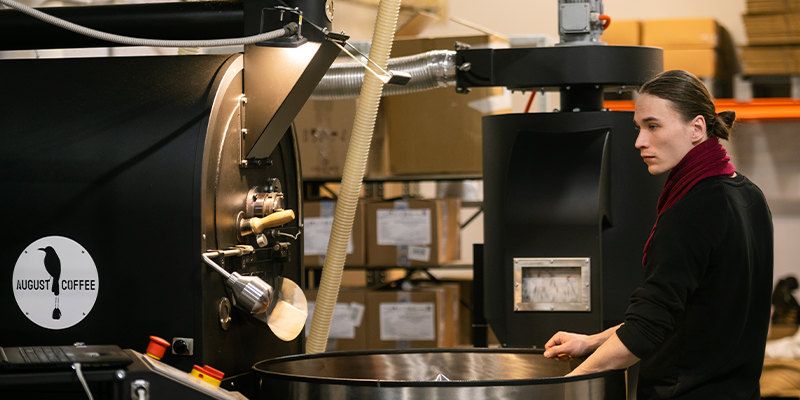
The solar energy infrastructure is the most visible of these. A Snob’s Coffee roastery that burns gas is not a Snob’s Coffee roastery in any meaningful sense. As the business scales — whether through increased production at the existing facility, the addition of a second roasting location, or the development of franchise or licensing arrangements — the solar commitment must scale with it. This means that capital planning for growth must include the energy infrastructure required to maintain the solar roasting model, and that growth opportunities that cannot be powered renewably are not opportunities that the brand should pursue.
The direct trade sourcing philosophy is equally non-negotiable. The quality and authenticity of Snob’s Coffee’s product depends on the quality and authenticity of its green coffee supply, which in turn depends on the depth and integrity of its producer relationships. These relationships cannot be maintained at scale without dedicated sourcing staff, regular origin visits, and the willingness to pay prices that reflect the value of what is being purchased. As volume grows, the sourcing operation must grow proportionally — not be replaced with commodity procurement dressed up in direct trade language.
Scaling the Quality Infrastructure
The quality control systems that underpin Snob’s Coffee’s premium positioning — the profiling software, the batch documentation, the cupping protocols — are scalable by design. Digital systems do not become less rigorous as production volume increases. But the human element of quality control — the experienced palate, the trained judgment, the institutional knowledge that allows a roaster to identify when a batch is developing correctly and when it needs adjustment — requires active investment in people as scale increases.
The long-term vision for Snob’s Coffee includes a structured talent development pathway that builds the roasting and quality control expertise the business will need as it grows. This means not only hiring experienced professionals from the specialty coffee industry but investing in developing talent internally — through training programmes, competition participation, origin trips, and the kind of ongoing professional engagement that keeps skilled people committed to a single organization over the long term.
Geographic Expansion and the Integrity Question
The most significant scaling decision Snob’s Coffee will face in its medium-term future is whether and how to expand geographically — to new South African cities, to African export markets, and potentially to international roasting facilities that bring the brand closer to its export customers. Each of these expansion modes presents different challenges for model integrity.
Domestic expansion to additional South African cities is the most straightforward, provided each new facility is built to the solar roasting standard and staffed with people trained in the brand’s quality and sourcing philosophy. International expansion is more complex, requiring decisions about whether to ship roasted coffee from the South African facility, to establish local roasting partnerships, or to develop owned facilities in priority markets. Each option has different implications for quality control, carbon footprint, and brand story consistency.
The guiding principle for each of these decisions is the same: does this expansion make Snob’s Coffee better, more accessible, or more impactful — or does it simply make it bigger? Growth that answers “bigger” without answering “better” is growth that the brand’s long-term vision does not require.
The Legacy Ambition
Beyond commercial success, the long-term vision for Snob’s Coffee carries a legacy ambition that is inseparable from the brand’s founding conviction. The goal is not to build a profitable roastery — though that is necessary. It is to demonstrate, at sufficient scale and over sufficient time, that a coffee business can be built on genuinely sustainable and genuinely excellent foundations, and that this combination is commercially superior to the alternatives rather than commercially inferior to them.
If Snob’s Coffee succeeds in that demonstration — if, ten years from now, it is larger, more influential, and more deeply committed to its founding principles than it is today — it will have done something more significant than building a great brand. It will have provided a model that other businesses, in coffee and in other categories, can look to as evidence that the way they aspire to build is not naive but proven.
The sun has been rising over South Africa for a very long time. It will continue to rise long after any particular business has come and gone. What Snob’s Coffee is building is a way of using that light — not wastefully or extractively, but with care, with skill, and with the intention of leaving something better behind.
That is the vision. The work of achieving it begins every morning, with the first roast of the day.