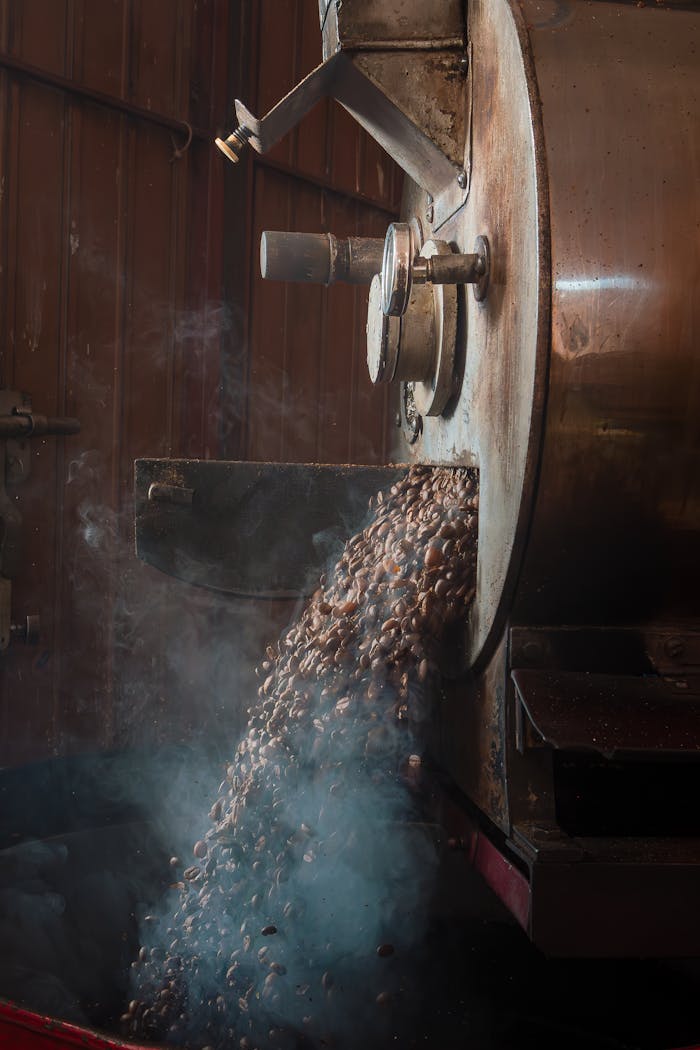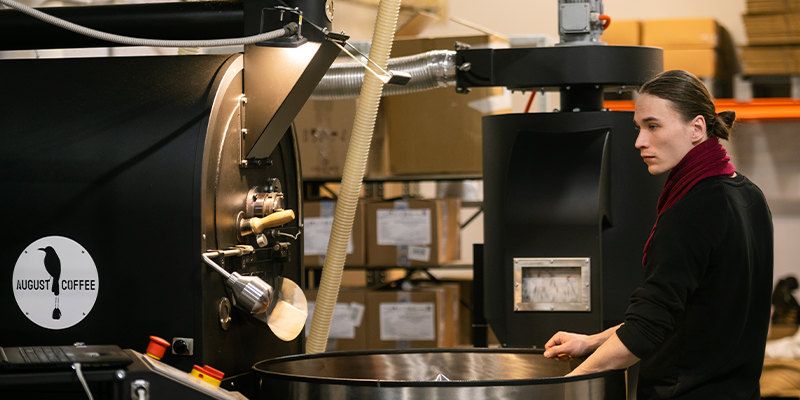

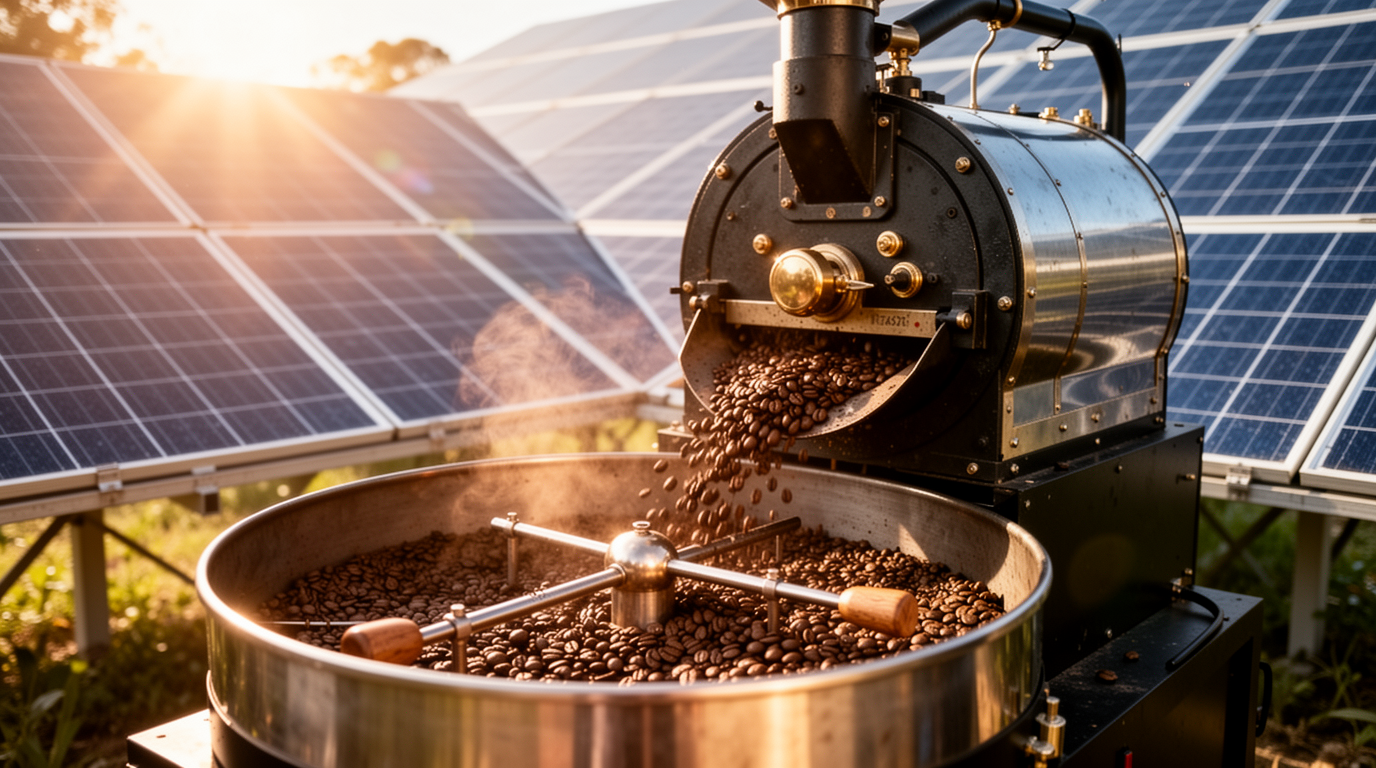
There is a particular irony in the fact that South Africa, one of the sunniest countries on earth, has for so long exported its natural resources in raw form while importing the value added to them elsewhere. Green coffee leaves the continent. Roasted coffee, branded and packaged, returns at a multiple of the price. Minerals are extracted and shipped. Manufactured goods come back. The pattern is old, and it has been expensive. But in the specialty coffee sector, a new model is taking shape — one in which South Africa does not just supply the raw material but completes the product, tells the story, and captures the margin. Solar-roasted coffee is the clearest expression of that ambition, and its potential in international markets is substantial.
What International Markets Are Looking For
The global specialty coffee market has been growing steadily for over a decade, and the consumers driving that growth share a recognizable profile. They are educated, urban, and environmentally aware. They read sourcing disclosures. They follow roasters on social media. They are willing to pay significantly above commodity prices for coffee that is traceable, distinctive, and produced in alignment with values they hold personally. And increasingly, they are looking for something they have not yet found: a compelling African roasting identity.
European markets — particularly the United Kingdom, Germany, the Netherlands, and Scandinavia — are especially receptive. These are countries with mature specialty coffee cultures, high environmental consciousness, and a demonstrated appetite for premium products with credible sustainability credentials. They are also markets where South African wine, food, and tourism have already established positive associations with quality and provenance. The groundwork, in other words, has been laid. Coffee is the next chapter.
The Middle East represents a different but equally compelling opportunity. The Gulf states have undergone a remarkable transformation in their coffee culture over the past decade. Specialty cafés have proliferated in Dubai, Riyadh, Abu Dhabi, and Doha, serving a young, affluent, internationally traveled population that is actively seeking premium products. South Africa’s direct flight connections to the Gulf, combined with existing trade relationships, make this a logistically attractive market for early export development.
The Solar Story as a Competitive Differentiator
In a global specialty market crowded with excellent coffee, differentiation is everything. Origin alone is no longer sufficient. Processing method, variety, altitude, fermentation technique — these have all become standard vocabulary in the category. What cuts through the noise is a story that is both genuinely unusual and genuinely meaningful.
Solar-roasted coffee is that story. The combination of African-origin beans, roasted in Africa using energy from the African sun, by a brand that has invested in sustainable infrastructure because it believes quality and responsibility are inseparable — this is not a marketing construct. It is an operational reality, and it is one that international specialty consumers will find both compelling and credible.
The “solar-roasted” designation also provides something increasingly valuable in export markets: a verifiable environmental claim. As carbon labeling and sustainability disclosure requirements tighten across European and other developed markets, the ability to demonstrate measurably lower emissions in the roasting process becomes a commercial advantage, not just an ethical one. Snob’s Coffee is ahead of that curve, not scrambling to catch up with it.
Building the Export Infrastructure
Exporting roasted coffee presents different challenges from exporting green beans. Shelf life requires careful attention to packaging and logistics timelines. Regulatory compliance varies by market and must be navigated with precision. Brand registration, distributor relationships, and import partnerships all require investment and patience. None of this is insurmountable, but all of it is real.
The most sustainable export strategy for a brand at Snob’s stage of development is likely a focused one: identify two or three priority markets with the strongest alignment between consumer profile and brand proposition, build deep relationships with specialist importers or distributors in those markets, and invest in presence at the key international specialty trade events — World of Coffee, the Specialty Coffee Expo — where the global community’s attention converges annually.
Sunshine as Strategy
South Africa receives more hours of sunlight per year than almost any comparable economy in the world. For most of its history, that sunshine has simply been weather. For Snob’s Coffee, it is infrastructure. It is competitive advantage. It is the energy source that powers a roasting operation capable of standing alongside the best in the world.
Exporting solar-roasted coffee is not merely a commercial proposition. It is a statement about what South Africa can make, what Africa can build, and what happens when natural abundance is matched with entrepreneurial ambition and genuine commitment to craft.
The sun has always been there. The question was always what to do with it.