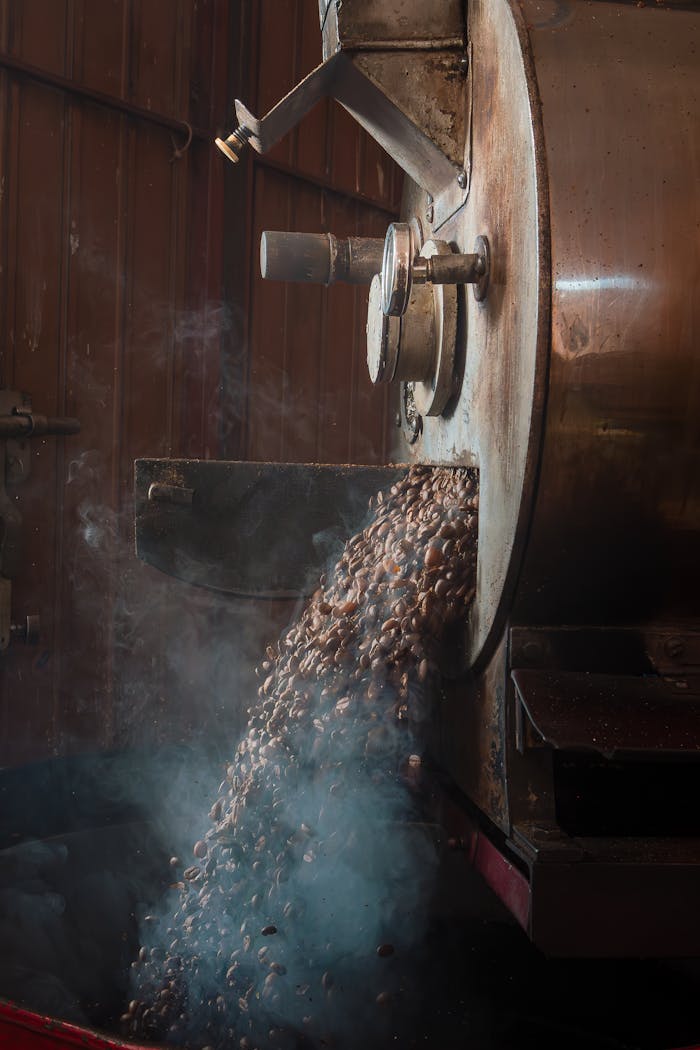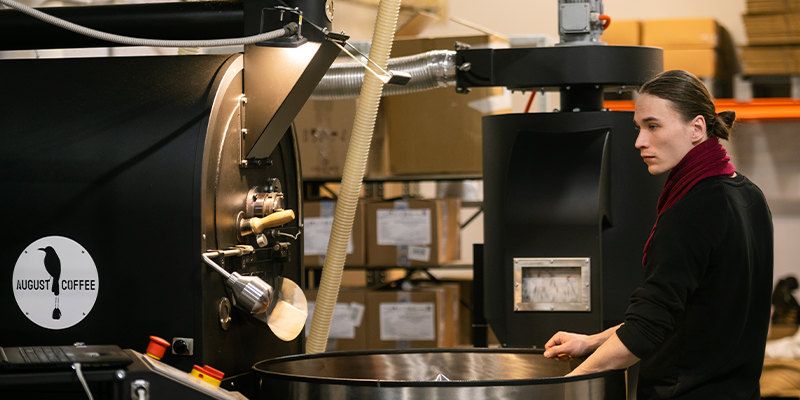


The Ripple Effect: How Sustainable Roasting Influences the Entire Coffee Supply Chain. is not just a clever turn of phrase—it’s an observation about how one choice in a small urban roastery can change the economics, ecology, and flavors of coffee from a farm halfway around the world.
What we mean by sustainable roasting
Sustainable roasting goes beyond buying certified green beans or using a newer drum roaster. It combines energy-efficient equipment, smarter scheduling, waste reduction, and a commitment to traceability that respects the people and places behind each lot.
When roasters measure fuel use, test emissions, and treat byproducts as resources rather than trash, they create a set of practices that influence suppliers, distributors, and retailers. That technical attention often becomes a reputational currency: buyers and consumers reward transparency and lower footprints.
Energy, emissions, and the roaster’s footprint
Roasting consumes heat, electricity, and time; those inputs translate directly into greenhouse gas emissions and operating costs. Small changes—installing heat-recapture systems, switching to biofuels, or improving insulation—can cut energy needs by a surprising percentage, lowering both bills and carbon output.
Emissions control also affects regulatory compliance and local air quality. When a roastery invests in afterburners or catalytic converters, it reduces particulate release and creates a model for industry peers who share suppliers and neighborhoods.
Where the impacts show up (quick comparison)
Here’s a compact view of the main roasting impacts and typical mitigations.
| Impact source | Typical effect | Common mitigation |
|---|---|---|
| Fuel (gas/electricity) | GHG emissions, costs | Heat recovery, efficient burners |
| Waste chaff | Fire risk, landfill volume | Composting, energy feedstock |
| Packaging | Plastic waste, transport weight | Lightweight recyclable materials |
From farm to cup: economic and social impacts
Sustainable roasting shifts purchasing priorities. Roasters willing to pay slightly more for lots with better social and environmental records create stronger demand for responsible farming practices at origin. That demand helps farmers justify investments in soil health, shade trees, or processing infrastructure.
These market signals travel downstream: exporters, cooperatives, and local processors adjust their offerings to meet the preferences of responsible buyers. Over time, premiums for well-documented lots can stabilize income for producers and fund community projects like schools or irrigation systems.
How changes downstream feed back to farmers
When a roaster commits to long-term contracts, it reduces price volatility for a farmer and encourages regenerative practices that pay off only after several seasons. Roasting decisions thus become financing mechanisms: pre-payments and technical support tied to specific lots can cover the cost of switching to agroforestry or wet mills.
Beyond money, information flows back too. Detailed roast profiling and cupping notes help producers understand how processing affects flavor, which can alter harvesting or fermentation choices at origin. Those small changes can command higher prices in specialty markets.
Innovation in equipment, packaging, and logistics
Technology is a leverage point. Modern roasters with digital controls achieve more consistent profiles with less energy, while new packaging reduces weight and improves shelf life, cutting transport emissions. Logistics partners that consolidate shipments or use low-carbon freight further shrink the supply chain’s footprint.
I once spent a morning at a neighborhood roastery where they turned chaff into briquettes for a bakery two blocks away. That local loop saved disposal costs and created a small revenue stream—an example of how material thinking converts waste into value and strengthens community ties.
Scaling sustainability: challenges and opportunities
Scaling these practices across an industry with millions of smallholder farmers and thousands of artisanal roasters is messy. Barriers include capital costs, fragmented supply chains, and the need for standardized measurement. Still, there are practical pathways forward: shared infrastructure, cooperative buying, and third-party verification to reduce friction.
Policy can help too. Incentives for energy-efficient equipment, grants for climate-smart processing, and clearer labeling standards would make it easier for both roasters and consumers to favor lower-impact options. Market demand will follow where costs and information barriers fall.
A final image of the ripple
Think of a roasted bean not as an isolated product but as a condensation of choices: kiln temperature, supplier relationships, packaging formats, and waste decisions. Each choice nudges the entire chain—economically and ecologically—so the act of roasting has consequences that travel back to soil, community, and climate.
When roasters treat sustainability as design rather than a marketing tag, they invite partners along the chain to experiment, invest, and share gains. That’s the real ripple: small operational shifts that compound into better livelihoods, cleaner air, and a coffee culture that tastes like responsibility as much as it tastes like caramel and fruit.