
The relentless pursuit of sustainable and efficient industrial processes has brought to the forefront the ambitious endeavor of designing a high-capacity, solar-powered roaster for commercial use. This undertaking presents a multifaceted engineering challenge, demanding a delicate balance between harnessing the abundant yet variable energy of the sun and meeting the stringent performance requirements of commercial food production. The core of this challenge lies in developing a system capable of consistently achieving and maintaining the precise temperatures necessary for roasting a significant volume of product, be it coffee beans, nuts, or grains, while entirely divorcing the operation from conventional fossil fuel dependence.
One of the primary engineering hurdles is the efficient capture and concentration of solar energy. Traditional solar thermal systems often struggle with the high and stable temperatures required for roasting. Therefore, innovative designs incorporating advanced parabolic or heliostat arrays, coupled with high-efficiency heat transfer fluids and robust insulation, are essential. The intermittent nature of sunlight introduces another layer of complexity, necessitating sophisticated energy storage solutions. Flywheels, molten salt banks, or advanced battery systems could potentially store excess solar energy collected during peak sunlight hours, allowing for continuous operation or buffering against cloudy periods.
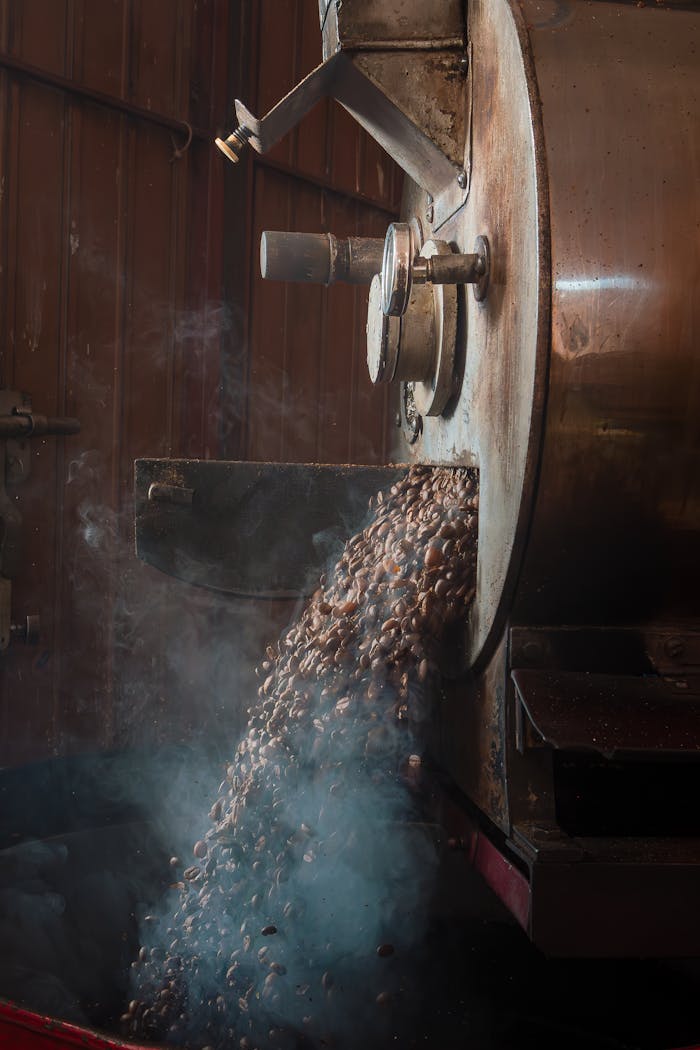
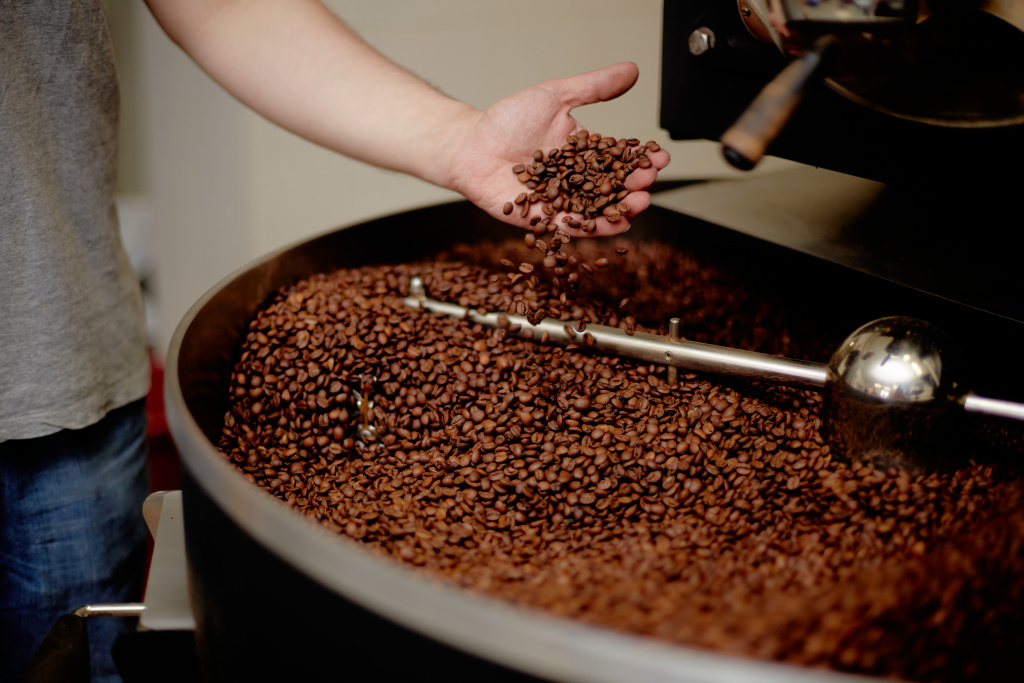
Furthermore, the roaster itself must be engineered for optimal heat distribution and control within a large-capacity chamber. Uniformity of heat is paramount to ensure consistent roasting quality across batches, preventing scorching or under-roasting. This requires meticulous design of airflow dynamics, heating element placement (whether directly from concentrated solar heat or indirectly via a heat exchanger), and sophisticated control systems that can dynamically adjust to fluctuating solar input. Material science also plays a crucial role, with the selection of high-temperature resistant, food-grade materials that can withstand prolonged thermal cycling and maintain structural integrity under commercial operational demands. The integration of these disparate components into a cohesive, reliable, and economically viable system represents the ultimate engineering triumph of this project.
The control system represents a critical nexus where the solar energy capture and the roasting process converge. Developing sophisticated algorithms capable of predictive modeling – anticipating solar irradiance fluctuations based on weather forecasts and historical data – is key. Such systems would orchestrate the deployment of heliostats or parabolic mirrors, regulate the flow of heat transfer fluid, and manage the energy storage, all while ensuring the roaster’s internal temperature remains within the tight tolerances demanded by artisanal quality. Integration with sensors for precise temperature and humidity monitoring within the roasting chamber becomes non-negotiable, feeding data back into the control loop for real-time adjustments.
Economic viability is an inseparable engineering consideration. While the operational costs associated with solar power are significantly lower than fossil fuels, the initial capital investment for advanced solar concentrators, robust thermal storage, and a proportionally scaled roaster can be substantial. Engineering efforts must therefore focus on modularity, scalability, and potentially leveraging mass production techniques to reduce per-unit costs. Furthermore, the system’s lifespan, maintenance requirements, and efficiency must be optimized to deliver a compelling return on investment for commercial operators, making the transition to solar not just an ethical imperative but a sound business decision.
The inherent challenges in achieving consistent high temperatures from an intermittent source necessitate exploring hybrid designs. While the ultimate goal is full solar autonomy, a transitional phase or a fail-safe mechanism might involve incorporating a small, highly efficient auxiliary heating element. This could be powered by a smaller, dedicated solar array with battery storage or, in extreme cases, a minimal bio-fuel burner, engaged only during prolonged periods of low solar irradiance. This approach would ensure operational continuity without compromising the predominantly solar-powered ethos.
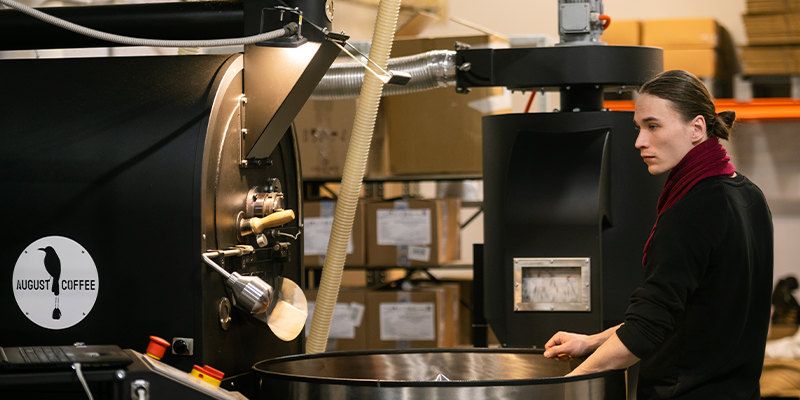
The design must also account for the scale of commercial operations. A high-capacity roaster implies significant throughput, meaning the solar energy collection area and storage capacity must be commensurate with the product volume. Engineering for easy loading and unloading, efficient material handling, and compliance with health and safety regulations specific to food processing facilities are additional layers to this complex engineering puzzle, demanding close collaboration between mechanical, electrical, and industrial engineers.
Ultimately, the development of a high-capacity, solar-powered roaster is not merely an exercise in engineering problem-solving; it is a testament to human ingenuity in aligning industrial demands with ecological responsibility. It pushes the boundaries of solar thermal technology, energy storage, and automated control systems, paving the way for a future where even energy-intensive industrial processes can operate in harmony with the environment, reducing carbon footprints and fostering a more sustainable global food production chain.